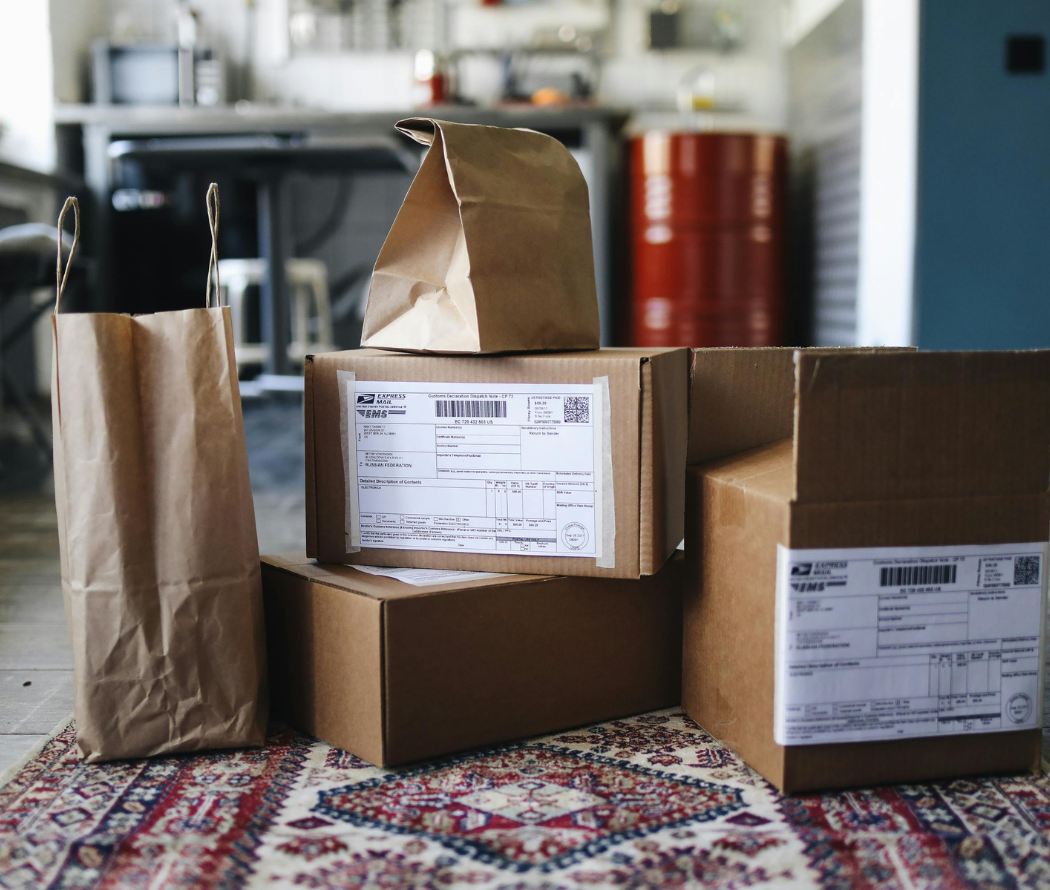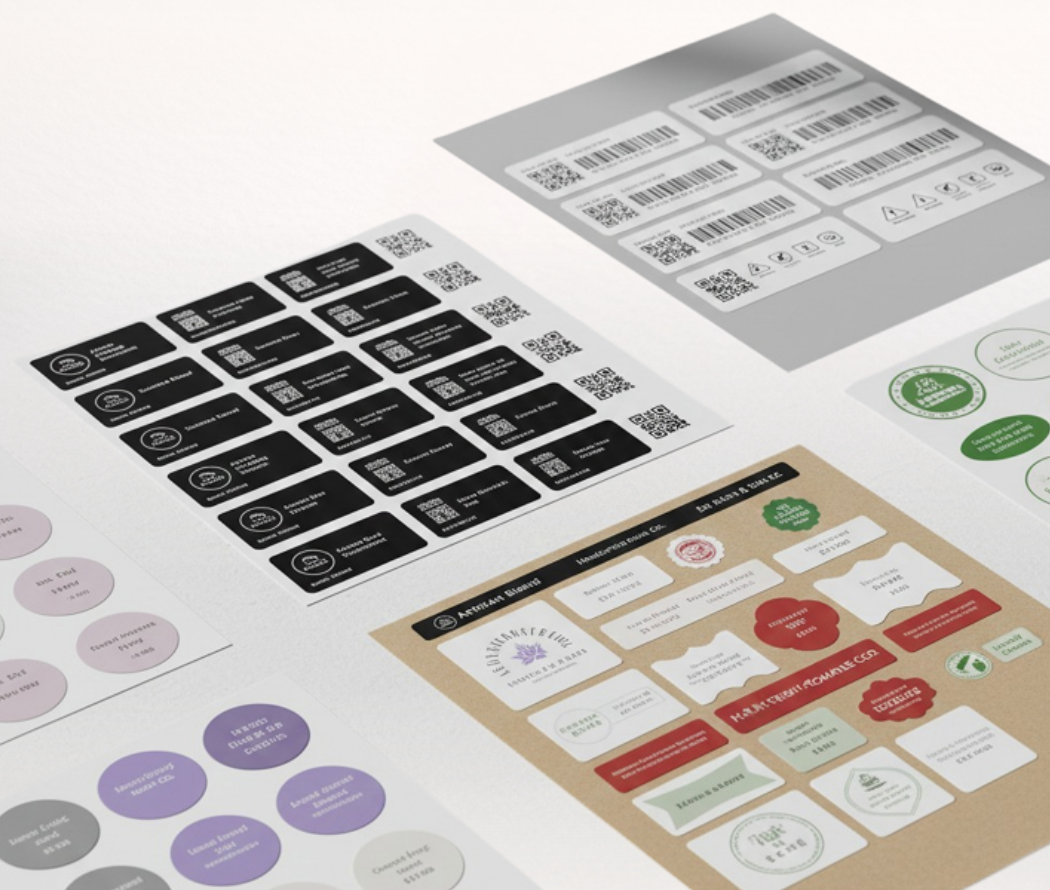

Avoid costly labeling mistakes that hurt compliance and sales. Learn expert tips from Jisha Label to label your products correctly and grow smarter.
Introduction:
For small businesses selling in Canada, the United States, and the Middle East, product labeling is far more than just packaging – it directly impacts compliance, customer trust, retail approval, and export success. Each of these regions follows strict labeling standards, and even a small mistake can lead to shipment delays, rejected products, or financial loss.
Many growing brands invest heavily in marketing and product development but overlook one critical factor: accurate and professional labeling.
If your business is planning to scale internationally, understanding the most common labeling mistakes – and how to avoid them – can protect your brand and your profits.
Why Proper Labeling Is Critical for Growing Businesses
A well-designed product label serves three essential purposes:
- Communicates key product information
- Ensures regulatory compliance
- Strengthens brand credibility
In competitive markets like Canada, United States, and the Middle East, labeling errors are taken seriously. Retailers expect scannable barcodes, governments demand compliance, and customers judge your brand based on presentation.
Let’s explore the most common product labeling mistakes small businesses make – and practical ways to avoid them.
Ignoring Regulatory Requirements
The Mistake
Using the same label design for all markets without checking local regulations.
Why It’s Risky
Different regions require different labeling elements. For example:
- Canada often requires bilingual labeling (English and French).
- The United States has strict disclosure rules for food, cosmetics, and supplements.
- Many Middle Eastern countries require Arabic labeling for imported goods.
Non-compliance can lead to product rejection or customs clearance delays.
How to Avoid It
- Research labeling laws before exporting.
- Create region-specific label versions.
- Maintain a compliance checklist for each product type.
Working with experienced labeling professionals can help ensure your labels meet international standards.
Poor Barcode Quality
The Mistake
Low-resolution printing, incorrect barcode size, or improper placement.
Why It’s Risky
Retailers rely heavily on barcode scanning systems. If your barcode fails to scan:
- Products may be rejected by retail stores.
- Inventory systems may malfunction.
- Checkout processes slow down.
In modern supply chains, barcode accuracy is essential.
How to Avoid It
- Use high-quality barcode printing technology.
- Follow global barcode sizing standards.
- Always test scan before bulk printing.
- Place barcodes on flat, smooth surfaces.
Professional barcode label solutions reduce operational risks.
Choosing the Wrong Label Material
The Mistake
Using basic paper labels for products exposed to moisture, heat, cold storage, or friction.
Why It’s Risky
Different markets have different environmental challenges:
- High temperatures in Middle Eastern regions
- Refrigerated storage in Canada
- Long shipping durations in international trade
If labels peel, fade, or smudge, your brand image suffers instantly.
How to Avoid It
- Choose synthetic or thermal transfer labels for durability.
- Match adhesive strength to storage conditions.
- Test label performance before final production.
At Jisha Label, businesses receive guidance on selecting the right label material based on product type and shipping conditions – reducing the risk of damage or non-compliance.
Overcrowded and Confusing Label Design
The Mistake
Adding too much text, small fonts, and cluttered design elements.
Why It’s Risky
Customers prefer clean, easy-to-read labels. Overcrowded designs:
- Reduce readability
- Confuse consumers
- Increase compliance risk
In developed markets, clarity builds trust.
How to Avoid It
- Prioritize essential information.
- Use clear fonts and proper spacing.
- Balance branding with compliance text.
A clean label design improves both customer confidence and shelf appeal.
Missing Mandatory Information
The Mistake
Leaving out important details such as:
- Expiry dates
- Batch numbers
- Country of origin
- Safety warnings
- Importer details
Why It’s Risky
Customs authorities and retailers carefully inspect labels. Missing information can result in:
- Shipment delays
- Legal penalties
- Retail rejection
How to Avoid It
- Develop a labeling compliance checklist.
- Review regulatory guidelines for each market.
- Double-check every label before printing large quantities.
Precision prevents expensive corrections later.
Skipping Label Testing
The Mistake
Printing thousands of labels without testing durability and readability.
Why It’s Risky
Without testing, you may discover problems after products reach warehouses:
- Ink fading
- Adhesive failure
- Barcode scanning errors
- Smudging during transport
Fixing these issues post-production is costly.
How to Avoid It
- Print a test batch first.
- Simulate storage and shipping conditions.
- Conduct barcode scan verification.
Professional suppliers like Jisha Label recommend testing before full-scale production to protect your investment.
Inconsistent Branding
The Mistake
Frequent design changes or inconsistent color schemes and fonts.
Why It’s Risky
Brand consistency builds recognition and credibility, especially in competitive international markets.
Inconsistent labeling can:
- Reduce brand recall
- Appear unprofessional
- Confuse customers
How to Avoid It
- Create clear brand guidelines.
- Maintain consistent design elements.
- Use professional printing standards.
Consistency strengthens long-term growth.
Choosing Cheap Printing Over Quality
The Mistake
Selecting low-cost materials to reduce immediate expenses.
Why It’s Risky
Cheap labels often:
- Tear easily
- Fade quickly
- Smudge during handling
This negatively impacts both compliance and customer perception.
How to Avoid It
Invest in high-quality materials and printing solutions. Reliable labeling may cost slightly more upfront, but it prevents expensive business disruptions later.
Partnering with an experienced manufacturer like Jisha Label ensures durability, compliance, and professional finish – all essential for scaling internationally.
Conclusion
Labeling is not a small detail – it’s a critical part of your business strategy. For companies selling in Canada, the United States, and the Middle East, proper product labeling supports smoother logistics, regulatory approval, and stronger brand reputation.
Most labeling mistakes happen due to lack of planning, not lack of effort.
By understanding compliance requirements, choosing durable materials, testing thoroughly, and working with reliable partners like Jisha Label, small businesses can transform labeling into a competitive advantage.
Before your next production run, review your labeling process carefully. A small improvement today can prevent major setbacks tomorrow – and position your business for confident international growth.
FAQ
What are the most common labeling mistakes small businesses make?
Common mistakes include ignoring regulations, poor barcode quality, wrong label materials, missing mandatory details, and overcrowded designs.
Why is labeling compliance important?
Proper labeling ensures products meet legal requirements and prevents shipment delays, penalties, or retail rejection.
How do barcode errors affect sales?
Unreadable barcodes can lead to rejected shipments, slow checkout processes, and inventory issues.
What label material is best for international shipping?
Durable materials like synthetic or thermal transfer labels work best for heat, moisture, and long transport conditions.
How can businesses avoid labeling mistakes?
By researching regulations, testing labels before bulk printing, and working with experts like Jisha Label for professional solutions.