Learn the key quality standards to check before ordering custom labels to ensure durability, compliance, and print clarity with Jisha Label.
Introduction:
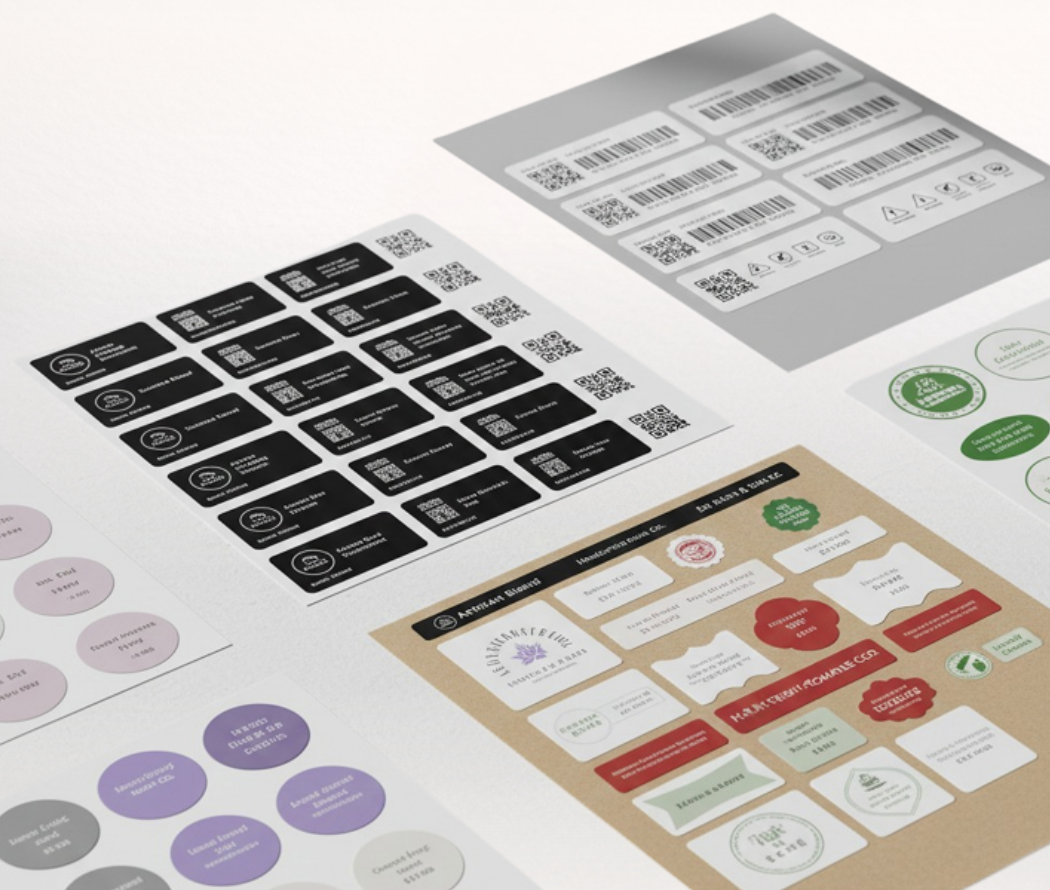
When it comes to product packaging, custom labels are more than just stickers placed on a box or bottle. They represent your brand identity, communicate essential information, and influence purchasing decisions. Whether you are in food, cosmetics, pharmaceuticals, retail, or industrial manufacturing, the quality of your labels directly affects your brand reputation.
Many businesses focus only on price when ordering custom label printing. However, ignoring quality standards can lead to fading prints, peeling labels, compliance issues, and even customer dissatisfaction.
Before placing your next bulk order, it’s important to understand the essential quality standards to check before ordering custom labels. In this guide, we’ll break down everything you need to evaluate to ensure durability, compliance, and premium packaging performance.
At Jisha Label, we believe informed decisions lead to better branding and long-term savings. Let’s explore what truly matters.
Why Quality Standards Matter in Custom Labels
Your product label is often the first thing a customer notices. Poor-quality labels can:
- Fade within weeks
- Peel off in humid environments
- Smudge during handling
- Fail to meet industry regulations
- Damage brand credibility
On the other hand, high-quality custom labels:
- Maintain print clarity
- Withstand environmental exposure
- Improve shelf appeal
- Ensure regulatory compliance
- Enhance customer trust
Quality is not an expense – it’s an investment.
Material Quality: The Foundation of Durable Labels
The first and most important standard to check is label material quality.
Different products require different materials. Choosing the wrong material can lead to performance issues.
Common Label Materials:
1. Paper Labels
- Cost-effective
- Suitable for dry products
- Not ideal for moisture or refrigeration
2. BOPP (Biaxially Oriented Polypropylene)
- Water-resistant
- Oil-resistant
- Durable for food and beverage packaging
3. Polyester (PET)
- Strong and tear-resistant
- Ideal for industrial and chemical products
4. Transparent Labels
- Provide a premium “no-label look”
- Popular in cosmetics and beverages
When ordering custom labels, ask your supplier about material specifications and recommended applications.
Adhesive Strength & Performance
Adhesive quality determines whether the label stays in place or peels off prematurely.
You should check:
- Permanent vs removable adhesive
- Adhesion on glass, plastic, metal, or cardboard
- Resistance to temperature changes
- Performance in cold storage
For example:
- Food products stored in refrigeration need strong moisture-resistant adhesive.
- Cosmetic packaging may require smooth, bubble-free application.
Reliable manufacturers like Jisha Label test adhesive compatibility to ensure long-lasting performance.
Print Quality & Ink Standards
A label’s purpose is communication. If print quality is poor, the label fails.
Key factors to evaluate:
1. High-Resolution Printing
Sharp text and clear images reflect professionalism.
2. Color Accuracy
Brand colors should match consistently across batches.
3. Smudge Resistance
Ink should not smear during handling.
4. Fade Resistance
Labels exposed to sunlight should maintain readability.
Low-grade printing can cause blurring, faded barcodes, or unreadable text – which can create scanning issues at retail counters.
Durability & Environmental Resistance
Depending on your industry, labels may face:
- Heat exposure
- Cold storage
- Water contact
- Oil and chemical spills
- UV sunlight
Ask your supplier about:
- Waterproof label capability
- UV-resistant coating
- Lamination options
- Scratch resistance
Durable labels reduce replacement costs and maintain professional appearance over time.
Compliance with Industry Regulations
Different industries have strict labeling standards.
For example:
- Food products require ingredient lists and nutritional details.
- Pharmaceutical labels must meet safety regulations.
- Export packaging may require international compliance markings.
Before ordering custom labels, confirm:
- Regulatory printing standards
- Barcode clarity (GS1 compliance if required)
- Proper font size for legal text
- Country-specific labeling requirements
Ignoring compliance standards can result in penalties or product recalls.
Label Size, Shape & Die-Cutting Precision
Custom labels come in various shapes and sizes. Poor die-cutting can cause:
- Uneven edges
- Application issues
- Misalignment
Check:
- Accurate dimensions
- Clean edges
- Consistent shape across bulk orders
- Compatibility with automatic labeling machines
Precision cutting enhances overall packaging aesthetics.
Surface Finish & Lamination Options
Finishing affects both durability and visual appeal.
Common finishes include:
1. Matte Finish
- Elegant, subtle appearance
- Reduces glare
2. Glossy Finish
- Bright, vibrant look
- Enhances colors
3. UV Coating
- Extra protection against fading
4. Lamination
- Protects against scratches and moisture
Choose finishing options based on your brand identity and product usage conditions.
Shelf Life & Storage Stability
Even unused custom labels must maintain quality in storage.
Ask about:
- Recommended storage temperature
- Humidity tolerance
- Shelf life of adhesive
- Packaging protection
Properly manufactured labels can last years without losing adhesive or print quality.
Batch Consistency & Quality Control
When ordering in bulk, consistency is critical.
Ensure your supplier maintains:
- Color consistency across batches
- Uniform adhesive strength
- Same material thickness
- Reliable print alignment
Inconsistent labels create brand inconsistency.
Reputed manufacturers like Jisha Label follow strict quality control processes to maintain uniform standards.
Sustainability & Environmental Standards
Modern businesses prioritize eco-friendly packaging.
Look for:
- BPA-free materials
- Recyclable label stock
- Environment-friendly inks
- Sustainable production processes
Eco-conscious labels improve brand reputation and appeal to environmentally aware consumers.
Common Mistakes to Avoid When Ordering Custom Labels
Avoid these common errors:
1. Choosing material based only on cost
2. Ignoring environmental conditions
3. Overlooking adhesive compatibility
4. Skipping sample testing
5. Not checking regulatory requirements
6. Ignoring long-term durability
Always request samples before placing large orders.
How to Choose the Right Label Manufacturer
A reliable supplier should offer:
- Material expertise
- Customization flexibility
- High-quality printing technology
- Industry compliance knowledge
- Transparent pricing
- Consistent production standards
At Jisha Label, we focus on combining premium materials with advanced printing technology to deliver custom labels that meet both functional and branding needs.
Why Quality Custom Labels Protect Your Brand
Imagine a premium cosmetic brand using labels that peel off within weeks. Or a food product with smudged nutritional information. The damage to brand reputation can be significant.
High-quality custom label printing ensures:
- Professional presentation
- Clear communication
- Long-lasting durability
- Customer trust
- Better retail performance
Investing in quality reduces long-term risk and cost.
Conclusion
Custom labels are not just decorative elements – they are essential branding tools. Checking quality standards before ordering protects your investment, strengthens brand credibility, and ensures long-term packaging performance.
From material selection and adhesive strength to print clarity and compliance requirements, every factor plays a critical role.
Partnering with experienced manufacturers like Jisha Label helps businesses achieve durable, professional, and compliant labeling solutions tailored to their specific industry needs.
When you prioritize quality over short-term savings, your brand benefits in the long run.
FAQ
What should I check before ordering custom labels?
Check material quality, adhesive strength, print clarity, durability, and compliance with industry regulations.
Why is label material important?
The right material ensures durability, moisture resistance, and long-lasting performance based on product usage.
How do I ensure custom labels won’t peel off?
Choose the correct adhesive type and test compatibility with your product surface before bulk ordering.
Are custom labels required to meet legal standards?
Yes, food, pharmaceutical, and export products must follow specific labeling compliance requirements.
Does print quality affect brand reputation?
Absolutely. Clear, high-resolution printing improves professionalism and builds customer trust.