Ensure safety and regulatory compliance with medical & pharmaceutical labeling solutions from Jisha Label for healthcare packaging.
Introduction:
In the healthcare and pharmaceutical industry, even the smallest detail can make a life-saving difference. From prescription bottles and IV bags to laboratory samples and medical devices, labels carry critical information that ensures patient safety, regulatory compliance, and operational accuracy.
That’s why medical & pharmaceutical labeling solutions are not just about printing stickers-they are about building trust, preventing errors, and meeting strict global standards. Whether you are a hospital administrator, pharmaceutical manufacturer, or medical distributor, investing in high-quality healthcare labeling solutions is essential for smooth and compliant operations.
In this blog, we will explore why medical labeling matters, what types of labels are used in healthcare, compliance requirements, and how reliable partners like Jisha Label help businesses meet safety and regulatory demands without compromise.
Why Labeling Is Critical in the Healthcare Industry
Healthcare labeling plays a direct role in:
- Patient safety
- Medication accuracy
- Product traceability
- Regulatory compliance
- Inventory management
Imagine a scenario where a prescription label fades due to moisture or a barcode becomes unreadable in a hospital storage area. The consequences could range from operational delays to serious medical errors. That’s why durable medical labels must be clear, long-lasting, and resistant to environmental stress.
Unlike general packaging labels, pharmaceutical packaging labels must withstand:
- Sterilization processes
- Cold storage and refrigeration
- Chemical exposure
- Frequent handling
This makes specialized materials and advanced printing techniques essential in the healthcare sector.
Types of Medical & Pharmaceutical Labels
Healthcare environments require different labeling solutions based on application. Let’s look at the most common types.
1. Prescription Labels
Prescription labels provide dosage instructions, patient information, and warning notices. These labels must remain legible throughout the medication’s lifecycle.
Key requirements:
- Smudge-proof printing
- Strong adhesive
- Clear typography
- Compliance with local health regulations
2. Medical Device Labels
Medical devices-from surgical tools to diagnostic equipment-require identification labels with serial numbers, barcodes, and regulatory details.
These labels often need:
- Heat resistance
- Chemical resistance
- Long-term durability
3. Pharmaceutical Packaging Labels
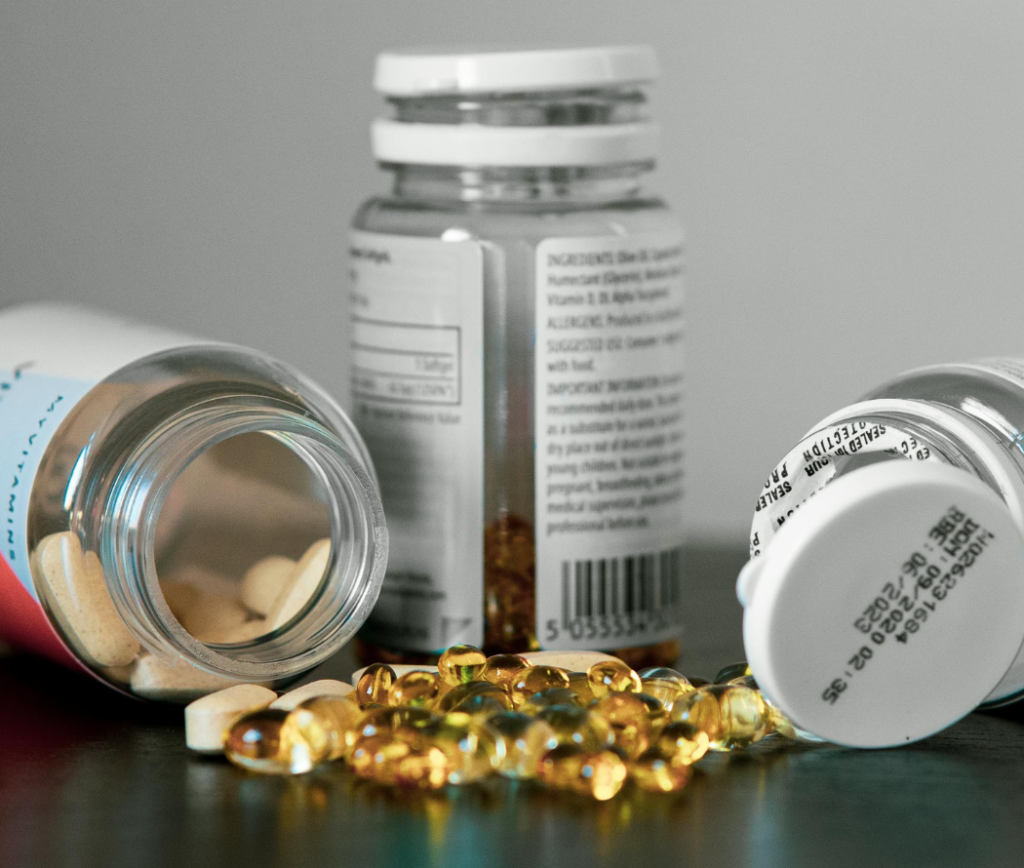
Used on medicine bottles, blister packs, and cartons, these labels must include:
- Manufacturing details
- Expiry dates
- Batch numbers
- Regulatory information
Accurate pharmaceutical labeling ensures traceability in case of recalls or quality audits.
4. Laboratory & Specimen Labels
Lab samples must be clearly marked to avoid mix-ups. These labels often require:
- Cryogenic resistance
- Waterproof material
- Thermal transfer compatibility
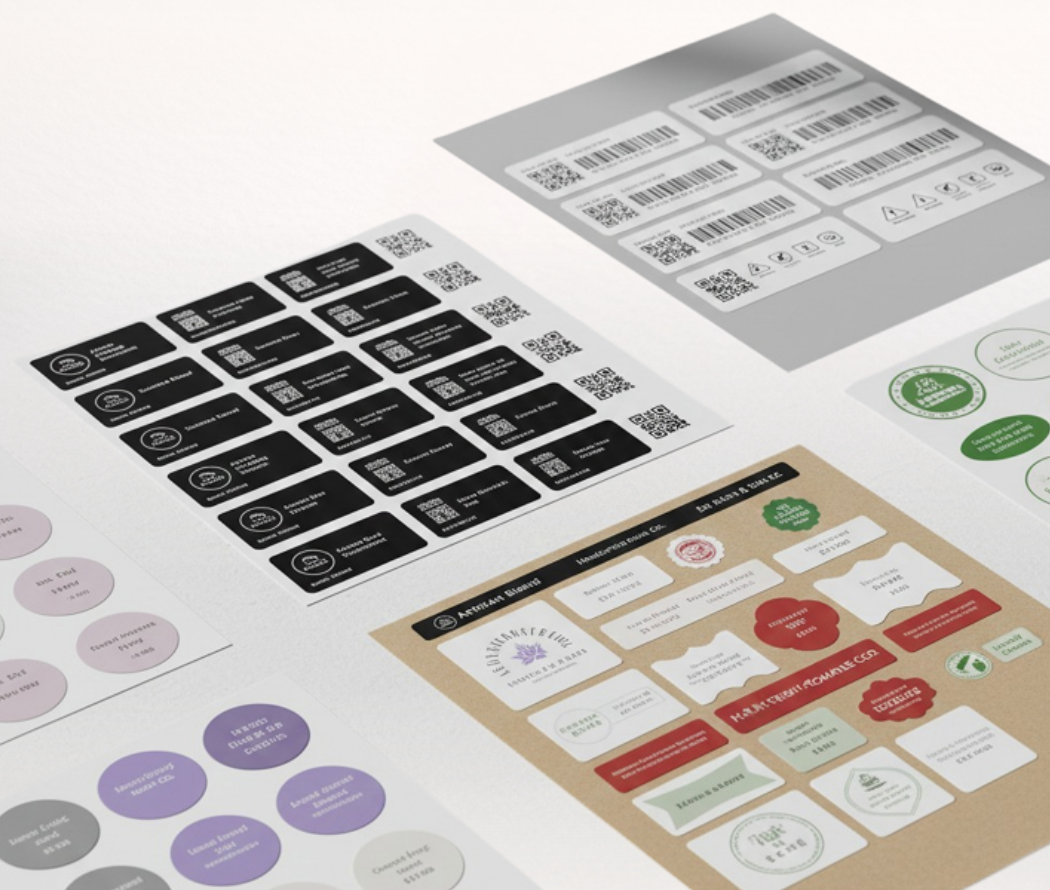
5. Barcode Labels for Healthcare
Medical barcode labels are widely used for:
- Patient wristbands
- Inventory tracking
- Drug administration systems
Barcode technology reduces human error and improves efficiency in hospitals and pharmacies.
The Role of Compliance in Pharmaceutical Labeling
Healthcare and pharma industries operate under strict regulatory frameworks worldwide. Depending on the region, businesses must comply with standards such as:
- FDA regulations (USA)
- Health Canada guidelines
- EU pharmaceutical directives
- Middle East regulatory authorities
Non-compliance can result in:
- Heavy fines
- Product recalls
- Legal action
- Loss of brand credibility
This is why regulatory compliant labels must be produced with precision, using approved materials and accurate data.
Certified labeling manufacturers understand documentation, quality control, and traceability requirements, ensuring your packaging meets legal standards.
Key Features of High-Quality Healthcare Labeling Solutions
When choosing medical & pharmaceutical labeling solutions, businesses should look for these features:
Durability
Healthcare labels must withstand:
- Moisture
- Temperature changes
- Chemical cleaning agents
- Frequent handling
Materials like polyester and BOPP are commonly used for their strength and reliability.
Strong Adhesion
Medical labels should remain intact on:
- Glass bottles
- Plastic containers
- Metal equipment
- Flexible packaging
Poor adhesion can lead to misidentification and compliance issues.
Clear & Accurate Printing
Information must be:
- Easy to read
- Resistant to smudging
- Barcode scannable
Advanced printing technology ensures clarity and consistency.
Tamper-Evident Options
Tamper-evident labels enhance safety by showing visible signs if packaging is opened or altered.
Customization
Hospitals and pharmaceutical companies often require customized label sizes, materials, and finishes to match their packaging and workflow systems.
How Barcode Technology Improves Healthcare Efficiency
The integration of barcode labeling in healthcare has significantly improved operational accuracy.
Benefits include:
- Faster patient identification
- Accurate medication administration
- Real-time inventory tracking
- Reduced paperwork errors
For example, scanning a barcode on a patient wristband ensures that the correct medication is administered, reducing human error.
Hospitals and pharmacies increasingly rely on barcode labeling systems to maintain efficiency while enhancing patient safety.
The Importance of Traceability in Pharma Packaging
Traceability is a major requirement in pharmaceutical manufacturing. Every medicine batch must be trackable from production to end-user.
This includes:
- Batch numbers
- Expiry dates
- Manufacturing codes
- Distribution tracking
High-quality pharmaceutical packaging labels support serialization and anti-counterfeit measures, which are critical in global supply chains.
Durable labeling ensures that this information remains readable throughout storage and transportation.
Choosing the Right Label Material for Healthcare
Different healthcare applications require specific materials. Let’s look at common options:
Polyester Labels
- Highly durable
- Resistant to chemicals and heat
- Suitable for medical equipment
BOPP Labels
- Moisture-resistant
- Ideal for pharmaceutical bottles
- Cost-effective and durable
Thermal Transfer Labels
- Used for barcode printing
- Suitable for hospital inventory systems
Selecting the correct material ensures long-term performance and compliance.
Why Partnering with the Right Label Manufacturer Matters
In healthcare, there is no room for compromise. Choosing an experienced labeling partner ensures:
- Compliance with industry standards
- Consistent print quality
- Durable materials
- On-time delivery
A reliable supplier understands healthcare regulations and quality requirements.
Jisha Label provides professional medical & pharmaceutical labeling solutions designed to meet safety, compliance, and durability standards. From barcode labels to pharmaceutical packaging labels, the focus is always on accuracy and performance.
Future Trends in Healthcare Labeling
The healthcare industry continues to evolve, and labeling technology is evolving with it.
Smart Labels
RFID and smart barcode labels are improving:
- Inventory management
- Real-time tracking
- Patient data management
Sustainable Label Materials
Eco-friendly materials are gaining importance in pharmaceutical packaging, reducing environmental impact while maintaining durability.
Advanced Anti-Counterfeit Features
Holographic labels, security inks, and tamper-evident solutions are becoming essential to protect medicines from counterfeiting.
Businesses investing in advanced healthcare labeling solutions are better positioned to meet future regulatory and operational demands.
Conclusion
Medical & pharmaceutical labeling solutions play a crucial role in ensuring patient safety, regulatory compliance, and operational efficiency. In a sector where accuracy can impact lives, durable and compliant labels are not optional-they are essential.
From prescription labels and barcode systems to pharmaceutical packaging labels and tamper-evident solutions, healthcare organizations must choose materials and printing technologies carefully.
By partnering with a trusted provider like Jisha Label, healthcare and pharmaceutical businesses can ensure their labeling meets global standards while maintaining clarity, durability, and reliability.
In the world of healthcare, precision matters-and the right label makes all the difference.
FAQ
What are medical & pharmaceutical labeling solutions?
They are specialized labels designed for healthcare products to ensure safety, compliance, and accurate identification.
Why are compliant pharmaceutical labels important?
Compliant labels help meet regulatory standards and reduce the risk of medication errors.
Which materials are best for medical labels?
Polyester and BOPP are widely used for durable, moisture-resistant healthcare labeling.
How do barcode labels improve hospital efficiency?
Medical barcode labels improve patient tracking, inventory control, and medication accuracy.
Where can I get reliable healthcare labeling solutions?
You can find durable and compliant medical labels at Jisha Label.