
Discover why manufacturing companies rely on high-quality labels for safety, inventory tracking, and compliance. Learn how Jisha Label supports efficient industrial operations.
Introduction
Step inside any manufacturing facility and you’ll notice something interesting. Machines are running, workers are assembling products, and goods are constantly moving from one stage to another. But behind this organized workflow is a small yet powerful tool that keeps everything in order: the label.
Industrial labels are not just identifiers. They play a crucial role in inventory control, product tracking, safety compliance, and supply chain management. Without proper labeling, manufacturers risk operational delays, product mix-ups, and even regulatory penalties.
In today’s competitive manufacturing environment, businesses need high-quality labels that can withstand harsh conditions while providing clear, reliable information. This is where professional labeling solutions from Jisha Label become essential.
In this guide, we’ll explore why manufacturers depend on industrial labels, how they improve efficiency, and what businesses should consider when choosing the right labeling solutions.
The Role of Industrial Labels in Manufacturing Operations
Manufacturing environments are complex systems involving multiple processes such as production, packaging, storage, and shipping. Labels help maintain order across all these stages.
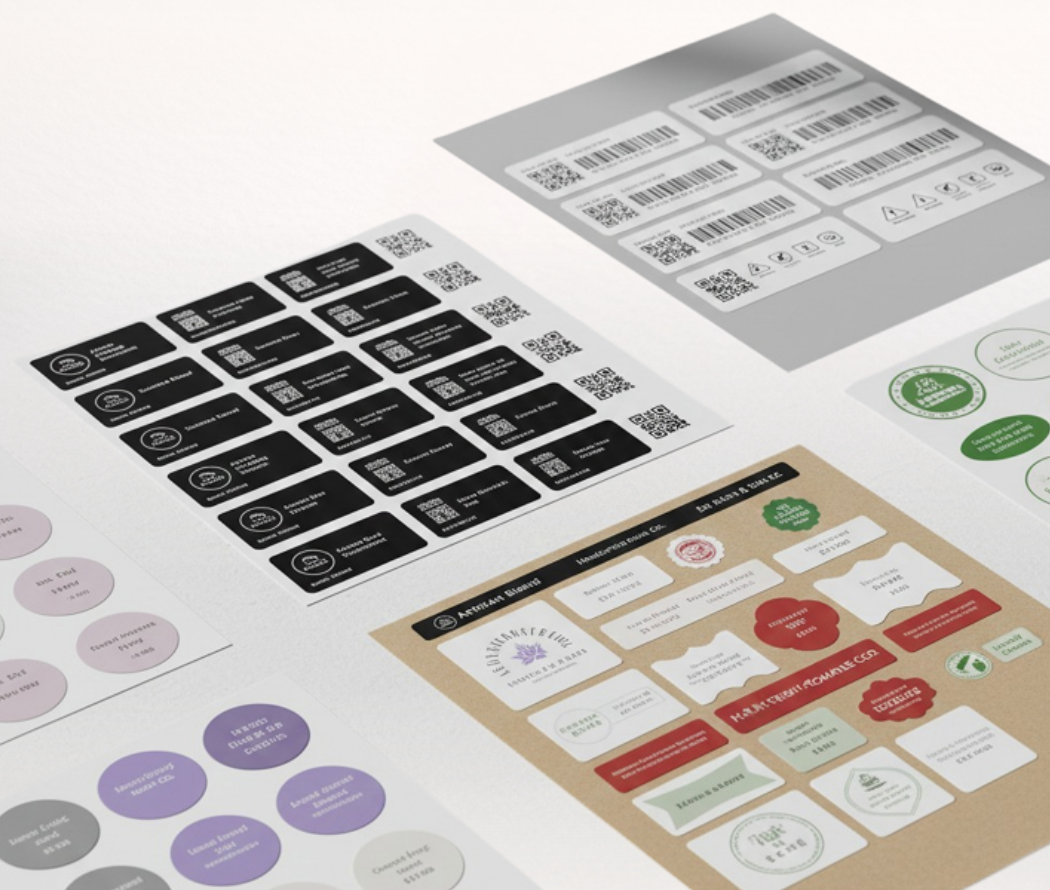
Industrial labels typically contain information like:
- Product identification numbers
- Batch or lot numbers
- Manufacturing dates
- Safety warnings
- Barcode tracking codes
This information helps employees and automated systems quickly identify products and materials.
According to industry studies:
- 80% of warehouses use barcode labels to manage inventory efficiently.
- Companies using barcode labeling can improve inventory accuracy by up to 30%.
- Manufacturing firms report 25% faster product tracking when labeling systems are implemented.
- Labeling errors account for nearly 15% of supply chain disruptions in manufacturing.
Reliable high-quality labels ensure that information remains visible and scannable throughout the entire production process.
With durable materials and precise printing, Jisha Label provides solutions designed for demanding industrial environments.
Improving Inventory Management and Product Traceability
One of the biggest challenges manufacturers face is keeping track of thousands of components and finished goods.
Industrial labels make this process easier by enabling real-time tracking and accurate inventory control.
Key benefits of labeled inventory systems include:
- Faster product identification
- Reduced manual data entry errors
- Better warehouse organization
- Accurate stock level monitoring
- Efficient order fulfillment
For example, a factory producing electronic components may handle thousands of small parts daily. Without proper labeling, locating a specific component could take hours.
With barcode labels attached to each package, warehouse teams can scan and identify items instantly.
This simple system saves time and prevents costly production delays.
By providing high-quality labels that remain readable in warehouses and storage areas, Jisha Label helps manufacturers maintain smooth operations.
Ensuring Safety and Regulatory Compliance
Safety is a top priority in manufacturing facilities. Many machines, chemicals, and materials require clear identification and warning instructions.
Industrial labels play a major role in workplace safety.
Common safety labels include:
- Hazard warning labels
- Equipment operation instructions
- Chemical identification labels
- Safety compliance tags
These labels ensure workers can quickly recognize potential risks.
According to workplace safety reports:
- Clear safety labeling can reduce workplace accidents by up to 20%.
- Regulatory agencies require labeling compliance for chemical and industrial materials in over 70% of manufacturing sectors.
When labels fade, peel off, or become unreadable, safety risks increase.
This is why manufacturers rely on high-quality labels that resist heat, chemicals, moisture, and abrasion.
Solutions offered by Jisha Label are designed to remain intact even in demanding industrial conditions.
Supporting Efficient Logistics and Supply Chains
Manufacturers are part of a larger supply chain that includes distributors, retailers, and logistics providers. Labels help products move smoothly through this network.
From production lines to shipping warehouses, every product needs accurate identification.
Industrial labeling supports logistics in several ways:
- Barcode tracking for shipments
- Batch identification for quality control
- Packaging labels for transportation handling
- Product verification during delivery
Without standardized labeling systems, supply chain delays become more common.
Studies show that automated barcode labeling can reduce shipping errors by up to 40%.
By using reliable labeling solutions from Jisha Label, manufacturers ensure their products reach the right destination without confusion.
Choosing the Right Industrial Label Materials
Not all labels are suitable for manufacturing environments. Industrial conditions often involve heat, chemicals, moisture, and friction.
Choosing the correct material is essential for durability.
Common industrial label materials include:
Polyester Labels
- Resistant to heat and chemicals
- Ideal for machinery and equipment labeling
Vinyl Labels
- Flexible and weather-resistant
- Suitable for outdoor equipment
Thermal Labels
- Used for barcode printing and shipping
- Common in warehouses and logistics
Laminated Labels
- Extra protective coating
- Long-lasting in harsh environments
Using the wrong label material can lead to fading, tearing, or adhesive failure.
That’s why manufacturers work with trusted providers like Jisha Label, who understand the specific labeling requirements of industrial environments.
Case Study: How a Manufacturing Plant Improved Production Efficiency
A mid-sized manufacturing company producing automotive components faced recurring challenges in tracking parts across its production line.
Employees often struggled to identify batches quickly, leading to delays in assembly and packaging.
The company introduced a new labeling system using high-quality barcode labels for each component batch.
Within a few months, the results were clear:
- Production tracking became significantly faster
- Inventory accuracy improved
- Packaging errors were reduced
The labeling system allowed workers to scan products instantly, ensuring the correct components moved through the production stages.
This simple upgrade helped the company streamline operations and improve overall productivity.
It’s a clear example of how professional labeling solutions from Jisha Label can support manufacturing success.
Conclusion
Industrial labels may seem like small details, but they play a huge role in manufacturing efficiency.
From tracking inventory and improving safety to ensuring compliance and enabling faster logistics, labeling systems are essential to modern production environments.
Manufacturers that invest in high-quality labels gain several advantages:
- Better operational organization
- Improved product traceability
- Reduced errors in inventory and shipping
- Stronger safety and compliance standards
With reliable labeling materials and advanced printing solutions, Jisha Label helps businesses maintain efficiency across their production lines.
If your manufacturing business wants to improve tracking, safety, and operational accuracy, the right labeling partner makes all the difference.
Explore professional industrial labeling solutions with Jisha Label and keep your manufacturing processes running smoothly.
Frequently Asked Questions
1. What are industrial labels used for in manufacturing?
Industrial labels are used to identify products, track inventory, display safety warnings, and ensure compliance with industry regulations.
2. Why are high-quality labels important in manufacturing?
High-quality labels remain readable in harsh environments, helping maintain accurate tracking, safety, and operational efficiency.
3. What materials are commonly used for industrial labels?
Polyester, vinyl, laminated labels, and thermal labels are commonly used because they are durable and resistant to environmental factors.
4. How do labels improve supply chain efficiency?
Labels enable barcode scanning, accurate product identification, and faster logistics processes, reducing delays and errors.
5. Can labels improve workplace safety?
Yes. Safety labels clearly communicate hazards, instructions, and warnings, helping prevent accidents and ensure regulatory compliance.