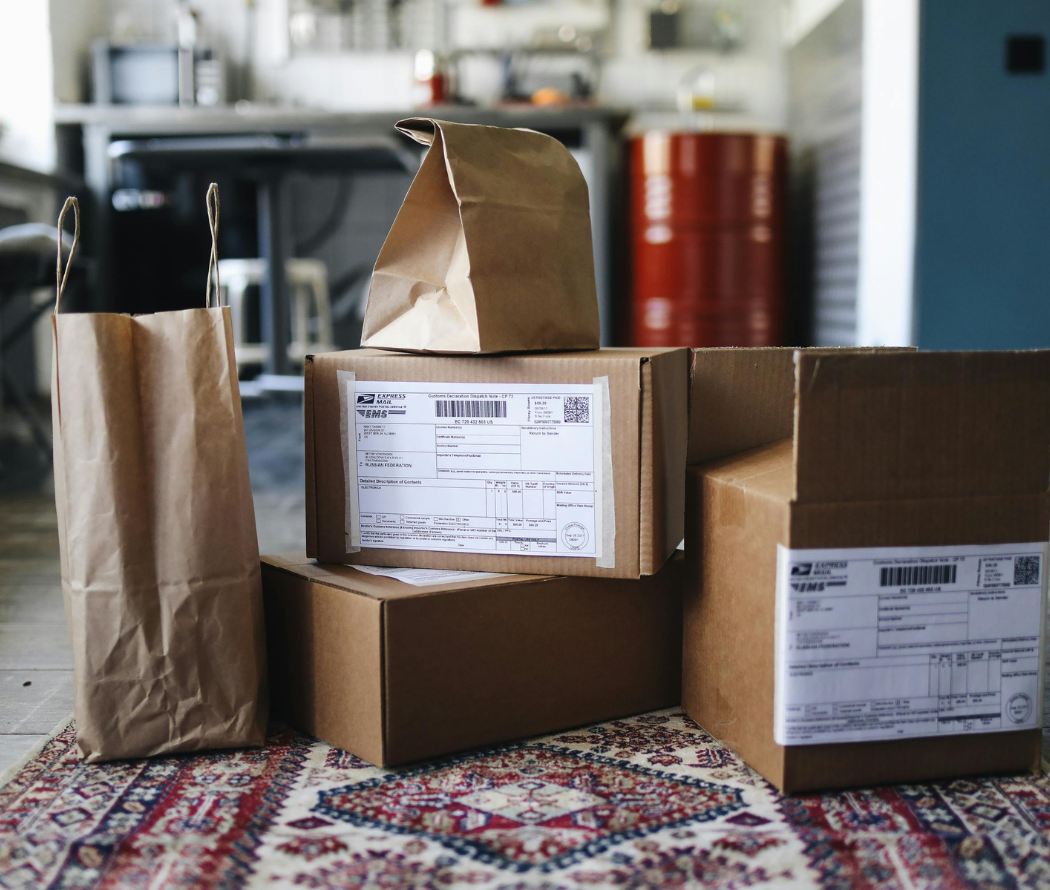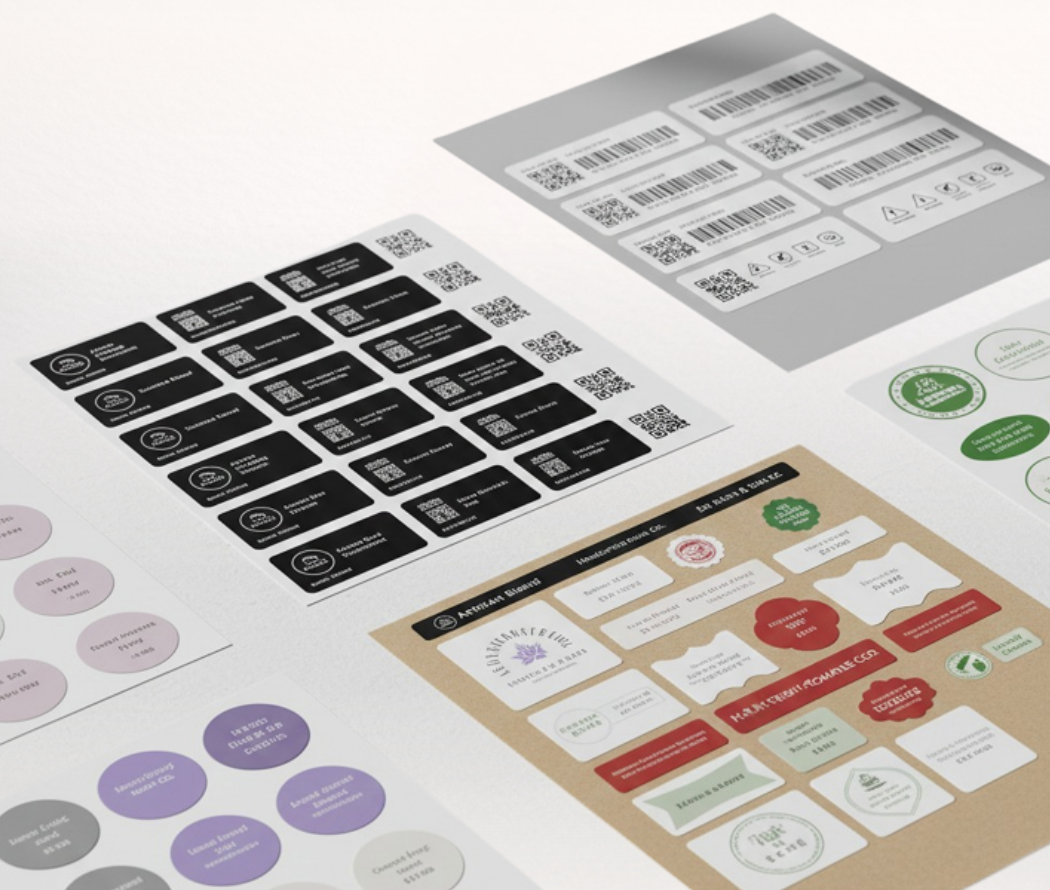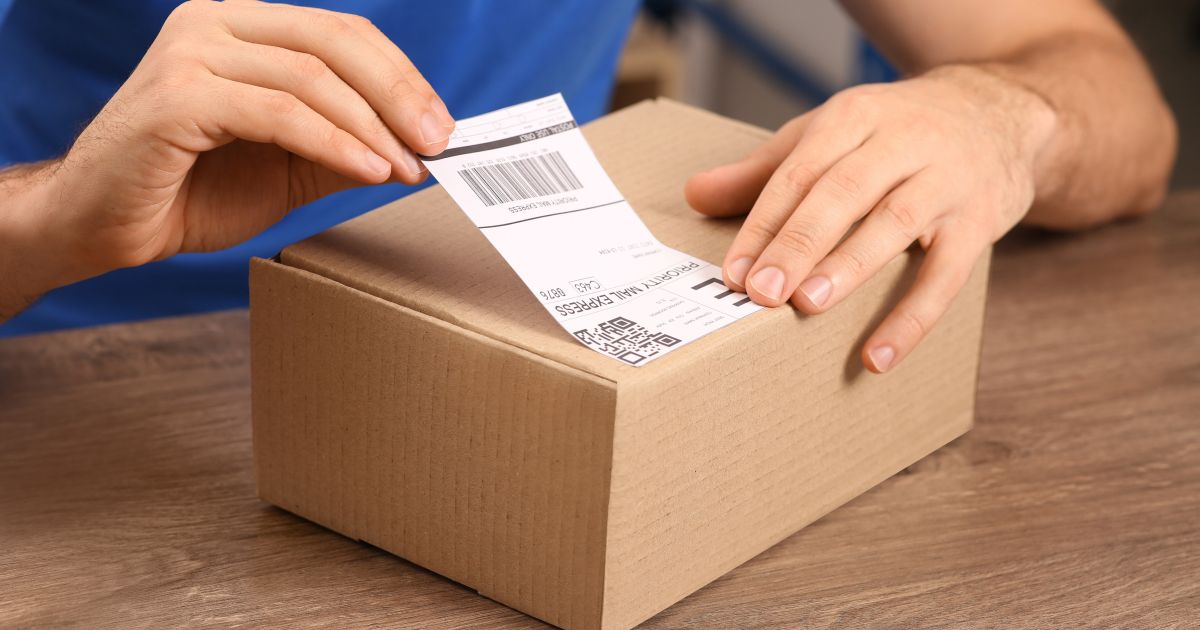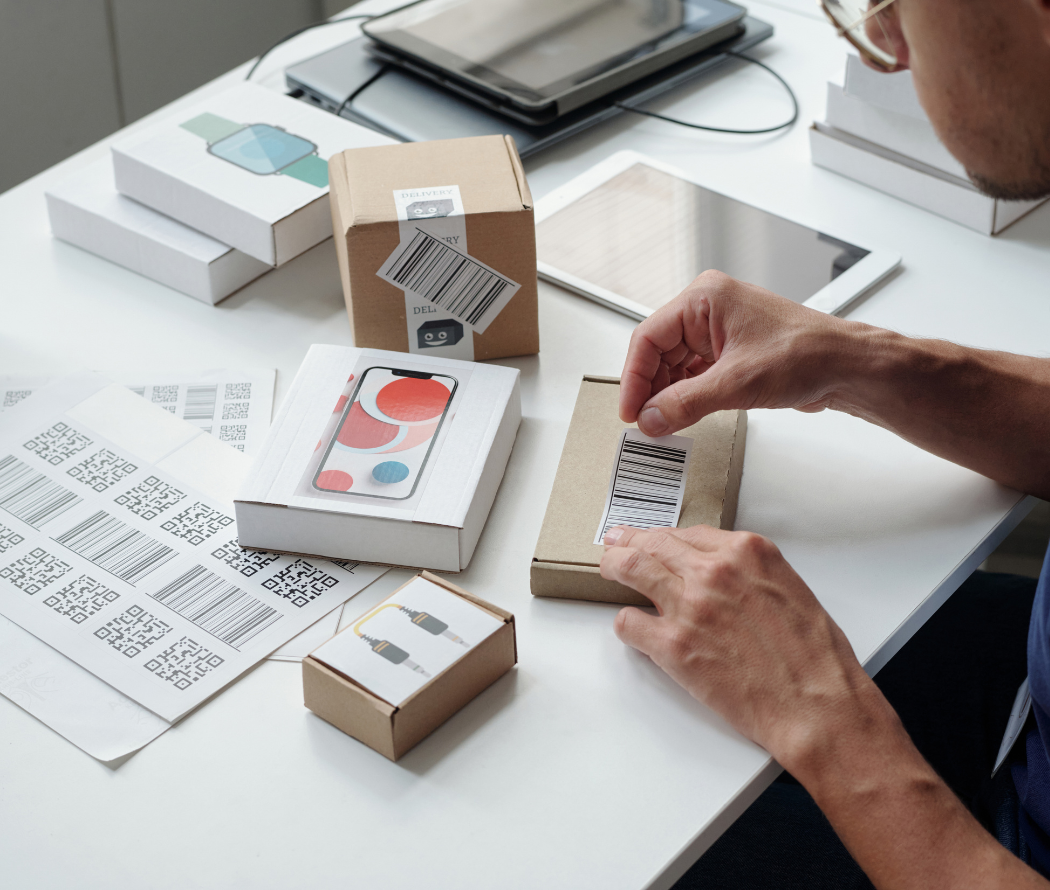
Choose BPA-free labels from Jisha Label for safe, eco-friendly packaging. Ensure compliance with food-safe and non-toxic label solutions.
Introduction:
In today’s global marketplace, consumers are more aware than ever about what goes into the products they buy-and what touches them. From food containers to pharmaceutical bottles and retail packaging, safety and compliance are no longer optional. One important yet often overlooked element of packaging safety is the label itself.
That’s where BPA-free labels come into focus.
While brands invest heavily in product quality and premium packaging design, the materials used in labels can directly impact consumer safety, regulatory compliance, and brand trust. In this blog, we’ll explore why BPA-free labels matter, how they support food-safe and pharmaceutical packaging, and why choosing the right label partner makes a real difference.
What Are BPA-Free Labels?
BPA (Bisphenol A) is a chemical commonly used in plastics and thermal paper production. It has been widely debated due to potential health concerns, especially when it comes into contact with food or skin over time.
BPA-free labels are labeling solutions manufactured without Bisphenol A, ensuring safer packaging for products that require strict hygiene and compliance standards.
These labels are particularly important for:
- Food packaging
- Beverage containers
- Pharmaceutical products
- Health supplements
- Baby products
- Retail goods with direct skin contact
By eliminating BPA from label materials, brands reduce potential health risks and align with global packaging safety standards.
Why BPA-Free Labels Matter in Food Packaging
Food safety regulations are becoming stricter worldwide. Consumers expect transparency and protection, especially when products are consumed daily.
1. Prevents Chemical Migration
When labels contain BPA, there is a risk of chemical migration-especially in thermal labels used in food retail environments. BPA-free label printing ensures that harmful substances do not transfer onto food packaging surfaces.
2. Supports Food-Safe Compliance
International markets such as the US, EU, and many Asian countries have tightened regulations on packaging materials. Using food-safe labels made without BPA helps businesses meet compliance requirements more easily.
3. Builds Consumer Trust
Modern buyers read labels carefully. When brands highlight safe packaging materials, it strengthens brand credibility. Safe packaging labels communicate responsibility and quality.
For food brands aiming to expand internationally, BPA-free solutions are not just an option-they’re becoming a necessity.
Importance in Pharmaceutical Packaging
The pharmaceutical industry demands the highest level of safety and traceability. Every element of packaging must meet strict regulatory guidelines.
1. Protecting Sensitive Products
Pharmaceutical products often require chemical-free labels to avoid contamination risks. BPA-free labels reduce the chances of chemical interference.
2. Regulatory Compliance
Regulatory bodies emphasize safe and compliant packaging materials. Non-toxic labels support adherence to industry guidelines and quality audits.
3. Long-Term Stability
Pharma labels must remain readable, durable, and secure. BPA-free label printing solutions are designed to provide:
- Strong adhesion
- Clear print quality
- Resistance to moisture and handling
This ensures patient safety and product integrity throughout the supply chain.
Why Retail Brands Should Care
Retail packaging isn’t limited to food and medicine. Cosmetics, skincare, baby products, and wellness goods all require safer materials.
1. Direct Skin Contact
Products like lotions, creams, and personal care items are handled daily. Using eco-friendly labels free from harmful chemicals aligns with modern consumer expectations.
2. Sustainability Trends
Retail brands are shifting toward sustainable packaging solutions. BPA-free labels fit perfectly into environmentally responsible branding strategies.
3. Brand Differentiation
Safety sells. When brands communicate that they use non-toxic labels and safe packaging materials, it becomes a competitive advantage.
BPA-Free Labels and Global Market Standards
If your brand is targeting international markets, packaging regulations become even more complex.
Different countries have varying standards regarding:
- Chemical content
- Packaging migration limits
- Food contact materials
- Environmental safety
Using BPA-free labels simplifies global distribution because you are already aligned with safer material standards.
For businesses looking to export products, investing in compliant packaging labels reduces regulatory risks and potential product recalls.
How BPA-Free Label Printing Works
Modern label manufacturers use advanced printing technologies and certified raw materials to produce BPA-free solutions.
Key features include:
- BPA-free thermal coatings
- Safe adhesive formulations
- High-quality inks
- Durable substrates
The result? Labels that are safe, compliant, and visually appealing.
At Jisha Label, the focus is on combining safety with premium print performance. Brands don’t have to compromise between compliance and visual impact.
Common Applications of BPA-Free Labels
Here’s where these labels are most commonly used:
Food & Beverage
- Ready-to-eat meals
- Dairy packaging
- Frozen foods
- Beverage bottles
Pharmaceuticals
- Prescription bottles
- Over-the-counter medicines
- Nutritional supplements
Retail & FMCG
- Personal care products
- Cosmetics
- Baby products
- Organic goods
In fast-moving consumer goods, safety and speed go hand in hand. BPA-free label printing ensures both.
Benefits Beyond Safety
While safety is the main reason brands choose BPA-free labels, there are additional advantages:
1. Strong Brand Image
Consumers associate safe packaging with responsible companies.
2. Reduced Legal Risk
Using compliant packaging materials minimizes the risk of regulatory penalties.
3. Improved Market Access
Many retailers prefer suppliers who meet strict packaging safety standards.
4. Eco-Friendly Positioning
BPA-free solutions often align with broader sustainability initiatives.
How to Choose the Right BPA-Free Label Supplier
Not all label providers offer the same quality standards. When selecting a label partner, consider:
- Certified raw materials
- International compliance awareness
- Advanced printing technology
- Customization options
- Consistent quality control
A reliable partner understands both safety and branding requirements.
At Jisha Label, the approach focuses on delivering safe, durable, and visually impressive labeling solutions tailored to different industries.
Integrating BPA-Free Labels into Your Packaging Strategy
Switching to BPA-free labels doesn’t require a complete redesign of your packaging. It involves:
- Reviewing existing label materials
- Consulting with your label manufacturer
- Testing compatibility with packaging surfaces
- Ensuring compliance documentation
With the right support, the transition can be smooth and cost-effective.
The Future of Safe Labeling
Packaging trends clearly indicate that safety and sustainability will continue shaping the industry.
Consumers now demand:
- Transparency
- Non-toxic materials
- Eco-friendly production
- Ethical sourcing
BPA-free labels are not just a regulatory adjustment-they represent a shift toward responsible packaging.
As brands compete globally, safe labeling solutions become a standard expectation rather than a premium feature.
Conclusion
In food, pharmaceutical, and retail industries, packaging safety directly impacts consumer health and brand trust. BPA-free labels help businesses align with international regulations, reduce risk, and strengthen credibility.
From preventing chemical migration to enhancing brand image, the benefits go far beyond compliance.
If your business is committed to safe, high-quality packaging, working with an experienced label partner matters. At Jisha Label, brands can access advanced BPA-free label printing solutions designed for global markets.
Safe packaging isn’t just about what’s inside the product. It’s also about what’s on the outside.
And when it comes to modern packaging standards, BPA-free labels are becoming the new normal.
FAQ
What are BPA-free labels?
BPA-free labels are labeling solutions made without Bisphenol A, ensuring safer packaging for food, pharma, and retail products.
Why are BPA-free labels important for food packaging?
They prevent chemical migration and help brands meet food safety regulations while protecting consumer health.
Are BPA-free labels required for pharmaceutical products?
Many pharma brands prefer BPA-free labels to ensure compliance, safety, and long-term product stability.
Do BPA-free labels support sustainable packaging?
Yes, BPA-free labels align with eco-friendly and non-toxic packaging initiatives.
Where can I get high-quality BPA-free label printing?
You can source safe and compliant BPA-free label solutions from trusted manufacturers like Jisha Label.