Compare BOPP vs polyester labels to choose the best material for durable product packaging with expert solutions from Jisha Label.
Introduction:
In today’s competitive market, product packaging plays a pivotal role in creating brand recognition and customer trust. Among all packaging elements, labels are often the first point of interaction between your product and the consumer. But choosing the right label material can be confusing, especially when deciding between BOPP and Polyester (PET) labels.
At Jisha Label, we help businesses select the perfect label material based on durability, application, and branding needs. In this guide, we’ll break down the differences, benefits, and applications of BOPP and Polyester labels so you can make an informed choice.
What Are BOPP Labels?
BOPP (Biaxially Oriented Polypropylene) labels are made from polypropylene film stretched in two directions, giving them strength, durability, and resistance to moisture. They are widely used in the food, beverage, and consumer goods industries due to their cost-effectiveness and flexibility.
Key Features of BOPP Labels:
- Lightweight and flexible
- Resistant to moisture, oils, and some chemicals
- Tear-resistant under normal handling conditions
- Available in glossy, matte, or clear finishes
- Cost-effective for large production runs
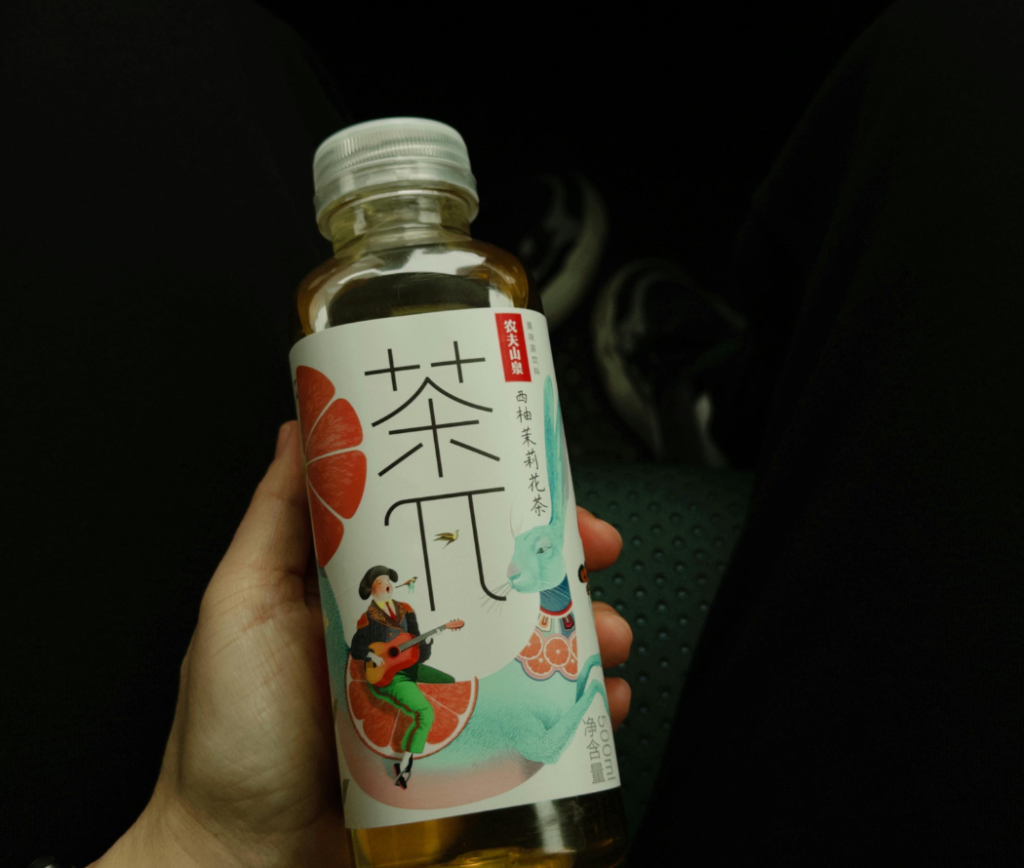
BOPP labels are ideal for products stored at room temperature or for short-term exposure to moisture, such as snack packaging, bottled beverages, and retail goods.
What Are Polyester (PET) Labels?
Polyester (PET) labels are made from polyethylene terephthalate, a strong, high-performance synthetic material. These labels are highly durable, resistant to extreme temperatures, chemicals, and abrasion, making them suitable for demanding industrial and commercial applications.
Key Features of Polyester Labels:
- High tear and puncture resistance
- Resistant to water, chemicals, and heat
- Maintains print clarity over long-term exposure
- Available in glossy, matte, metallic, or clear finishes
- Ideal for long-term storage or outdoor use
Polyester labels are commonly used in pharmaceuticals, industrial containers, cosmetics, and outdoor products where durability is crucial.
At Jisha Label, we advise businesses to evaluate the storage conditions, product handling, and branding needs before deciding on the material.
Advantages of BOPP Labels
- Cost-Effective: Ideal for large production runs without breaking the budget.
- Flexible: Can conform to various container shapes.
- Moisture Resistance: Suitable for short-term exposure to liquids.
- Versatile Finish Options: Available in matte, glossy, or transparent designs.
- Eco-Friendly Options: Some BOPP films are recyclable, supporting sustainable packaging.
Advantages of Polyester Labels
- Extreme Durability: Withstands harsh conditions without peeling or tearing.
- Chemical & Oil Resistance: Perfect for industrial, chemical, or cosmetic products.
- Temperature Tolerance: Maintains integrity in freezers or high-heat environments.
- High-Quality Printing: Keeps colors vibrant and text legible over long periods.
- Premium Appearance: Enhances brand perception on high-end products.
Choosing the Right Label Material for Your Industry
1. Food & Beverage
- BOPP is generally sufficient for snacks, bottled water, and packaged drinks.
- Polyester may be needed for frozen items or beverages stored long-term in refrigeration.
2. Cosmetics & Personal Care
- Polyester labels are preferred for products exposed to oils, moisture, or heat.
- BOPP may be used for short-term or indoor-only products.
3. Pharmaceuticals
- Polyester labels ensure clear, legible printing over the product’s shelf life.
- They resist chemical exposure and maintain barcode readability.
4. Industrial & Chemicals
- Polyester labels are essential for chemical containers, machinery parts, or outdoor storage.
- BOPP is rarely used unless for temporary or indoor labeling.
Printing & Finishing Options
Both BOPP and Polyester labels support various printing and finishing techniques:
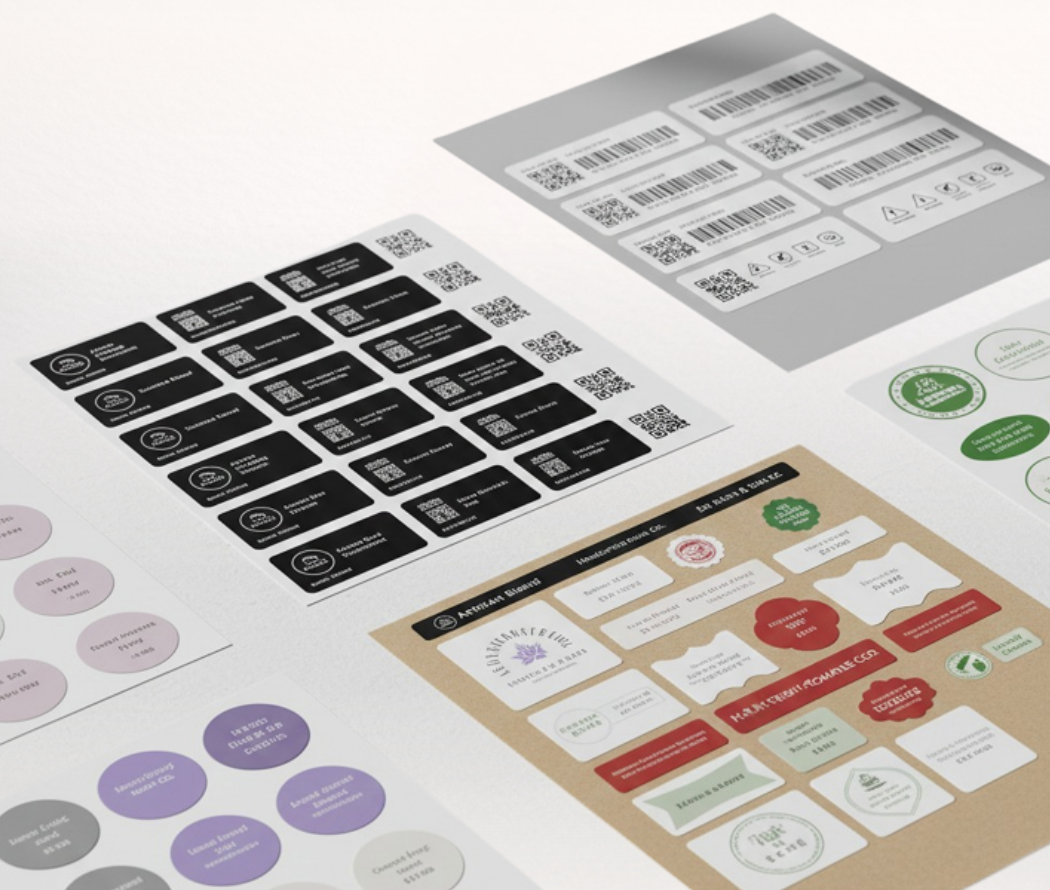
- Digital or Offset Printing: For high-resolution graphics.
- Matte, Glossy, or Transparent Finish: Tailor to product aesthetics.
- Foil Stamping & Embossing: Adds premium appeal.
- UV & Lamination Coating: Enhances durability and scratch resistance.
At Jisha Label, we combine high-quality materials with advanced printing techniques to produce labels that are both functional and visually appealing.
Cost Considerations
While BOPP labels are more affordable for mass production, Polyester labels provide a higher ROI in the long term due to durability, reduced re-labeling, and protection against damage. Choosing the right material depends on balancing upfront cost with product lifecycle and branding goals.
Conclusion
Selecting the right label material is crucial for product protection, branding, and customer experience.
- BOPP labels are cost-effective, flexible, and perfect for short-term or indoor use.
- Polyester labels provide superior durability, chemical resistance, and premium appearance for long-term or industrial applications.
At Jisha Label, we guide businesses in choosing the best material based on product type, industry requirements, and storage conditions. Investing in the right label ensures your product stands out, lasts longer, and communicates quality to your customers.
FAQ
What is the main difference between BOPP and Polyester labels?
BOPP labels are cost-effective and moderately durable, while Polyester (PET) labels are highly durable, waterproof, and chemical-resistant.
Which label is best for food products?
BOPP labels work well for dry and refrigerated foods, while Polyester labels are preferred for frozen or long-term storage products.
Are Polyester labels more expensive than BOPP?
Yes, Polyester labels have a higher upfront cost but offer better long-term durability and protection.
Can BOPP labels be customized?
Yes, BOPP labels support various finishes, shapes, and printing options suitable for branding and seasonal promotions.
Which industries benefit most from Polyester labels?
Cosmetics, pharmaceuticals, chemicals, and industrial applications benefit from the durability and high-performance of Polyester labels.