Learn how flexographic printing for labels at Jisha Label delivers high-speed, cost-effective and high-quality packaging solutions.
Introduction:
In today’s fast-moving packaging industry, speed, consistency, and cost-efficiency are critical. Businesses need label printing solutions that can handle high volumes without compromising quality. This is where flexographic printing for labels becomes a powerful solution.
Flexographic printing, often called flexo printing, is one of the most widely used label printing technologies in the world. It is known for its ability to produce high-quality labels at high speeds, making it ideal for industries such as FMCG, food & beverage, pharmaceuticals, cosmetics, and logistics.
At Jisha Label, we understand that modern brands require scalable printing solutions that deliver precision, durability, and visual appeal. Let’s explore how flexographic printing supports modern packaging demands and why it remains a preferred choice for bulk label production.
What Is Flexographic Printing?
Flexographic printing is a rotary printing process that uses flexible relief plates to transfer ink onto various label materials. It operates on high-speed printing presses, making it extremely efficient for large-scale production.
The process involves:
- Flexible polymer plates
- Fast-drying inks
- Continuous roll-to-roll printing
- High-speed automated systems
Because of its versatility, flexographic printing for labels works on different substrates such as paper, film, foil, and synthetic materials.
Why Flexographic Printing Is Popular in Label Manufacturing
The packaging industry values three major factors: speed, quality, and cost. Flexographic printing delivers all three.
1. High-Speed Production
Flexographic presses can print thousands of labels per hour. This makes it ideal for businesses that require bulk label production without delays.
For FMCG and retail industries, where product turnover is high, fast label printing ensures smooth supply chain operations.
2. Cost-Effective for Large Volumes
While plate setup requires initial investment, flexo label printing becomes highly economical when producing large quantities. The per-label cost decreases significantly at higher volumes.
This makes it a practical solution for:
- Supermarket brands
- Beverage companies
- Food packaging manufacturers
- Pharmaceutical suppliers
3. Consistent Print Quality
Flexographic printing ensures uniform ink distribution and sharp graphics across thousands of labels. This consistency strengthens brand identity and maintains packaging standards.
The Flexographic Printing Process Explained
Understanding the flexographic printing process helps businesses make informed decisions.
- Plate Creation: Flexible printing plates are prepared with the design.
- Ink Application: Ink is transferred to the plate through an anilox roller.
- Printing Stage: The plate rolls against the substrate, transferring the design.
- Drying: Fast-drying inks ensure immediate curing.
- Finishing: Additional processes like lamination, die-cutting, or varnishing can be applied.
This streamlined system enables continuous, high-speed production.
Industries That Benefit from Flexographic Printing for Labels
FMCG Industry
Fast-moving consumer goods require durable and attractive packaging. Flexographic printing handles high-volume demands efficiently while maintaining quality.
Food & Beverage
Labels must resist moisture, refrigeration, and handling. Flexo printing supports waterproof inks and protective coatings.
Pharmaceuticals
Precision and compliance are critical. Flexographic printing ensures clear text, barcodes, and batch information.
Cosmetics & Personal Care
While luxury brands may use additional finishing, flexographic printing provides a strong base print for vibrant and durable labels.
Logistics & Industrial Packaging
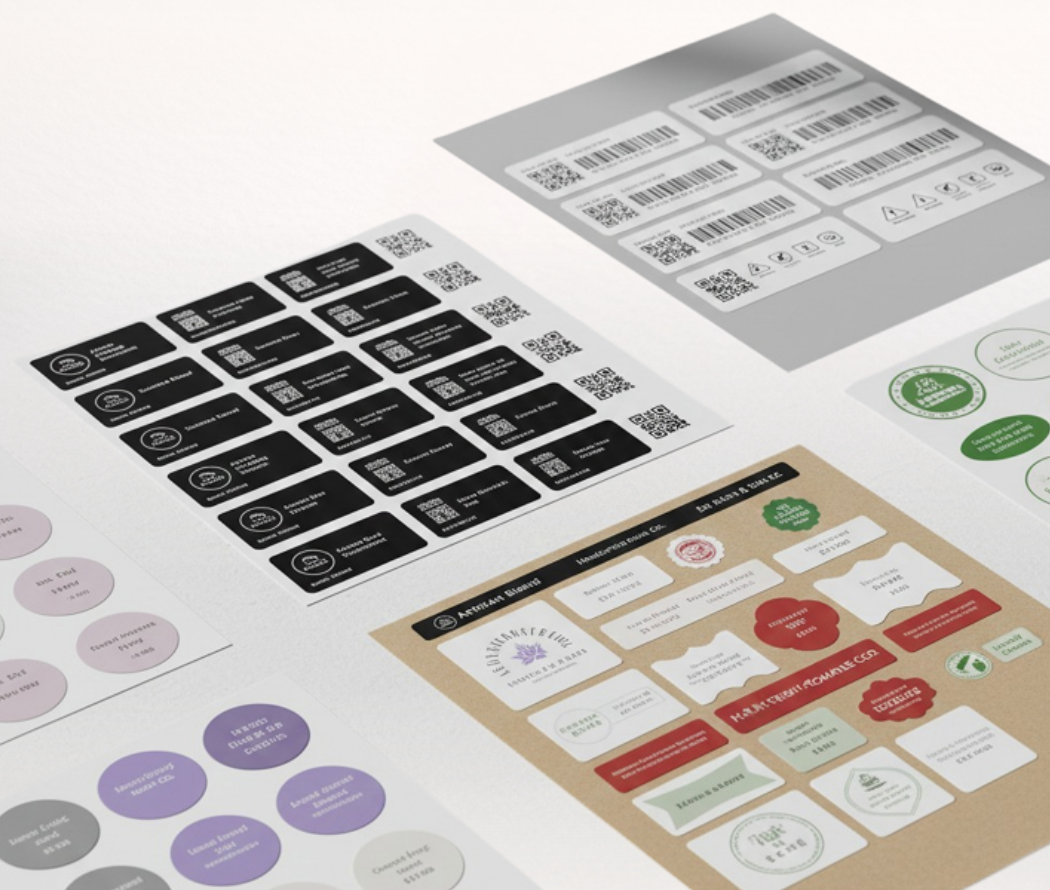
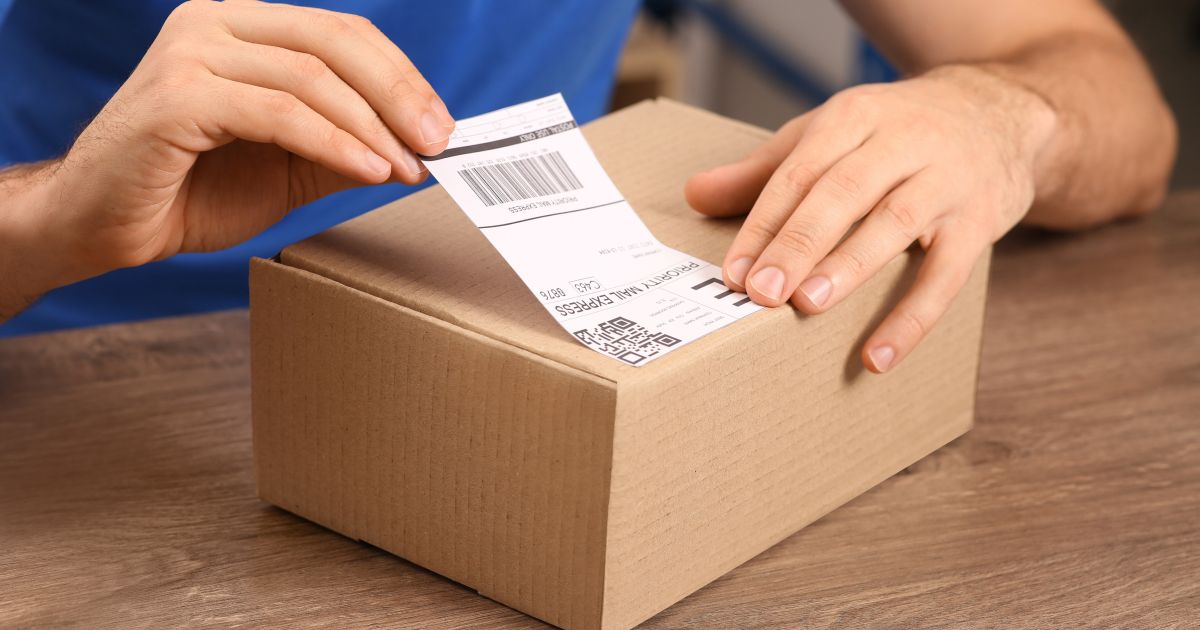
High-speed label production is essential for shipping labels, barcode labels, and warehouse management systems.
Advantages of Flexographic Printing for Modern Packaging
1. Versatile Substrate Compatibility
Flexographic presses can print on:
- Paper labels
- Plastic films
- Metallic foils
- Transparent materials
- Laminated surfaces
This flexibility supports diverse packaging needs.
2. Eco-Friendly Ink Options
Modern flexo printing uses water-based and UV-curable inks, reducing environmental impact while maintaining print quality.
3. Integration with Finishing Options
Flexographic printing easily integrates with:
- Lamination
- Foil stamping
- Embossing
- Spot UV coating
- Die-cutting
This allows brands to create visually appealing and durable packaging.
4. Excellent Color Reproduction
Advanced flexographic systems deliver vibrant colors, making product labels visually attractive and shelf-ready.
How Flexographic Printing Supports Brand Growth
Packaging is part of your marketing strategy. Consistent, high-quality labels enhance brand recognition.
Flexographic printing supports brand growth by:
- Ensuring uniform logo placement
- Maintaining consistent color tones
- Supporting regulatory compliance
- Enabling bulk production for expansion
- Reducing production delays
As businesses scale, high-speed label printing becomes essential.
Cost Efficiency in Bulk Label Production
One of the biggest advantages of flexographic printing for labels is cost efficiency at scale.
For example:
- Printing 1,000 labels digitally may be affordable.
- Printing 100,000 labels digitally may become expensive.
- Flexographic printing significantly reduces cost per label in high quantities.
This makes it ideal for exporters and global brands distributing products internationally.
Durability and Performance
Modern packaging requires labels that withstand:
- Moisture
- Heat
- Friction
- Refrigeration
- Transportation handling
Flexographic printing supports durable inks and protective coatings to ensure long-lasting labels.
Why Choose Jisha Label for Flexographic Printing?
At Jisha Label, we combine advanced flexographic printing technology with professional expertise to deliver:
- High-speed production capabilities
- Cost-effective bulk printing
- Consistent print quality
- Custom sizes and shapes
- Durable materials
- International standard packaging solutions
We understand that every brand has unique requirements. Our team works closely with clients to provide scalable and efficient label printing solutions.
Global Demand for Flexographic Label Printing
With the rise of global e-commerce and retail expansion, demand for bulk label printing continues to grow.
Brands expanding internationally require:
- Uniform packaging standards
- Fast production cycles
- Cost control
- Reliable printing partners
Flexographic printing remains a cornerstone technology in modern packaging manufacturing.
When Should You Choose Flexographic Printing?
Flexographic printing is ideal when:
- You need large quantities of labels
- Design remains consistent across batches
- Cost efficiency is a priority
- Fast production turnaround is required
- Labels need durability
For short runs or personalized designs, digital printing may be better. But for bulk manufacturing, flexo printing remains unmatched.
Conclusion
In a world where packaging plays a vital role in customer decision-making, choosing the right printing technology is essential. Flexographic printing for labels offers high-speed production, cost efficiency, consistent quality, and scalability – making it the preferred solution for modern packaging needs.
From FMCG to pharmaceuticals, food & beverage to industrial products, flexographic printing supports businesses at every growth stage.
At Jisha Label, we deliver advanced flexo label printing solutions designed to meet international standards and high-volume demands. Whether you are launching a new product or expanding globally, reliable and efficient label printing can make all the difference.
Investing in the right printing technology today ensures stronger brand presence, better operational efficiency, and long-term business success.
FAQ
What is flexographic printing for labels?
It is a high-speed printing method using flexible plates for bulk label production.
Is flexographic printing cost-effective?
Yes, it is highly economical for large-volume printing.
Which industries use flexo label printing?
FMCG, food & beverage, pharmaceuticals, cosmetics, and logistics.
Can flexographic printing handle durable materials?
Yes, it works on paper, plastic films, foil, and synthetic materials.
Where can I get professional flexographic label printing?
You can explore advanced solutions at Jisha Label.