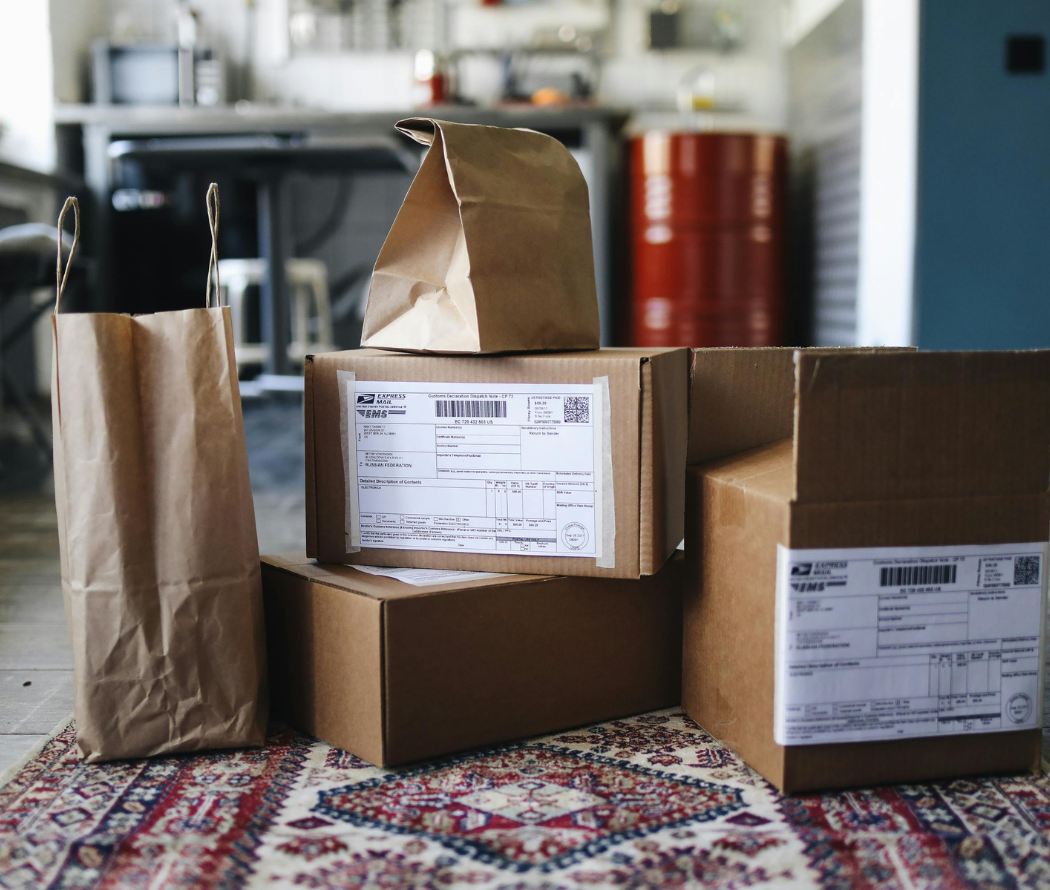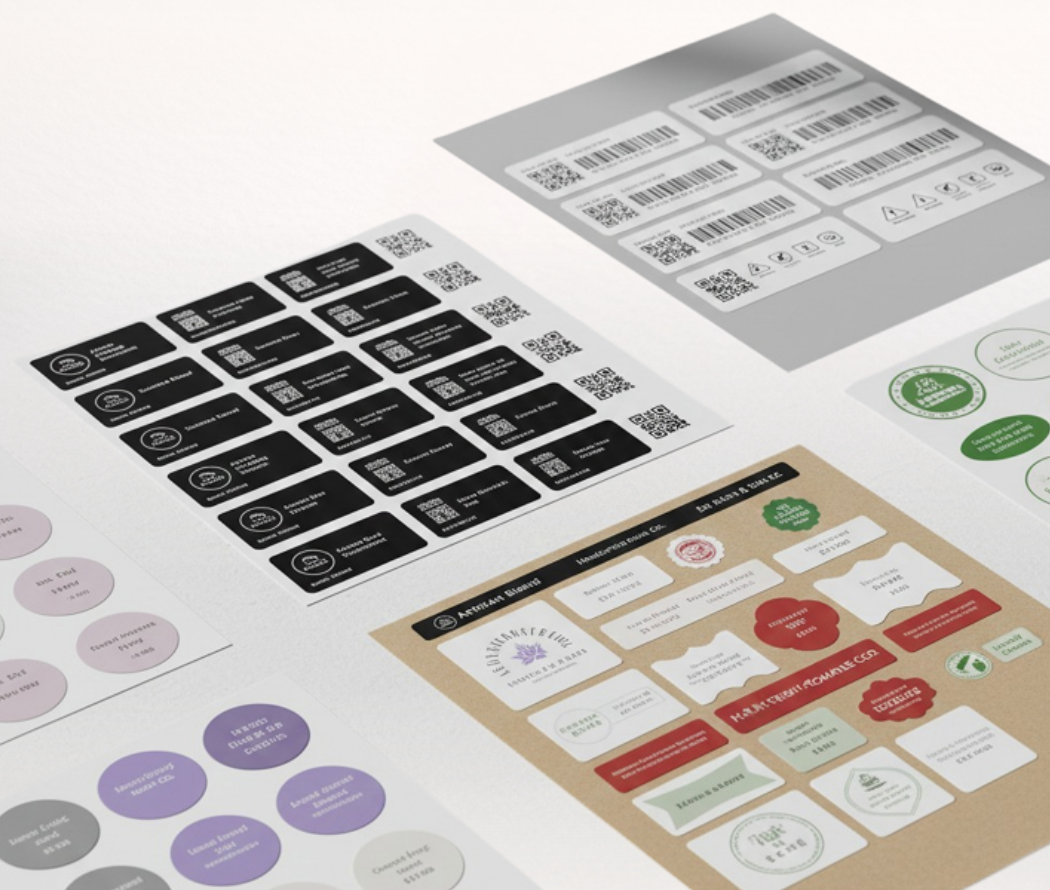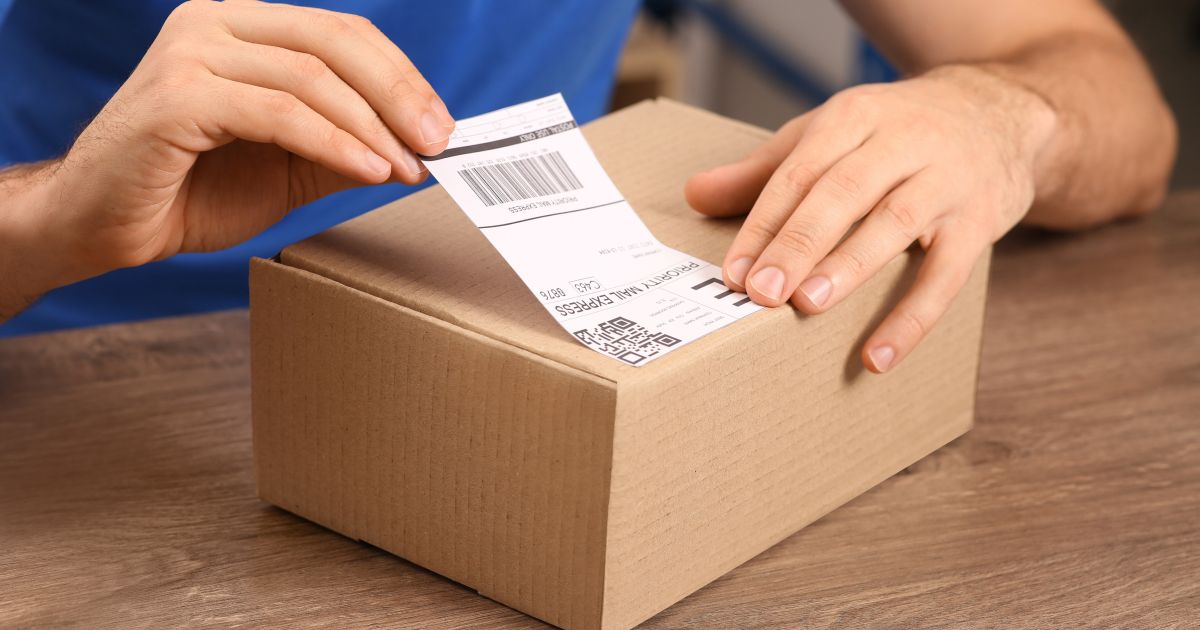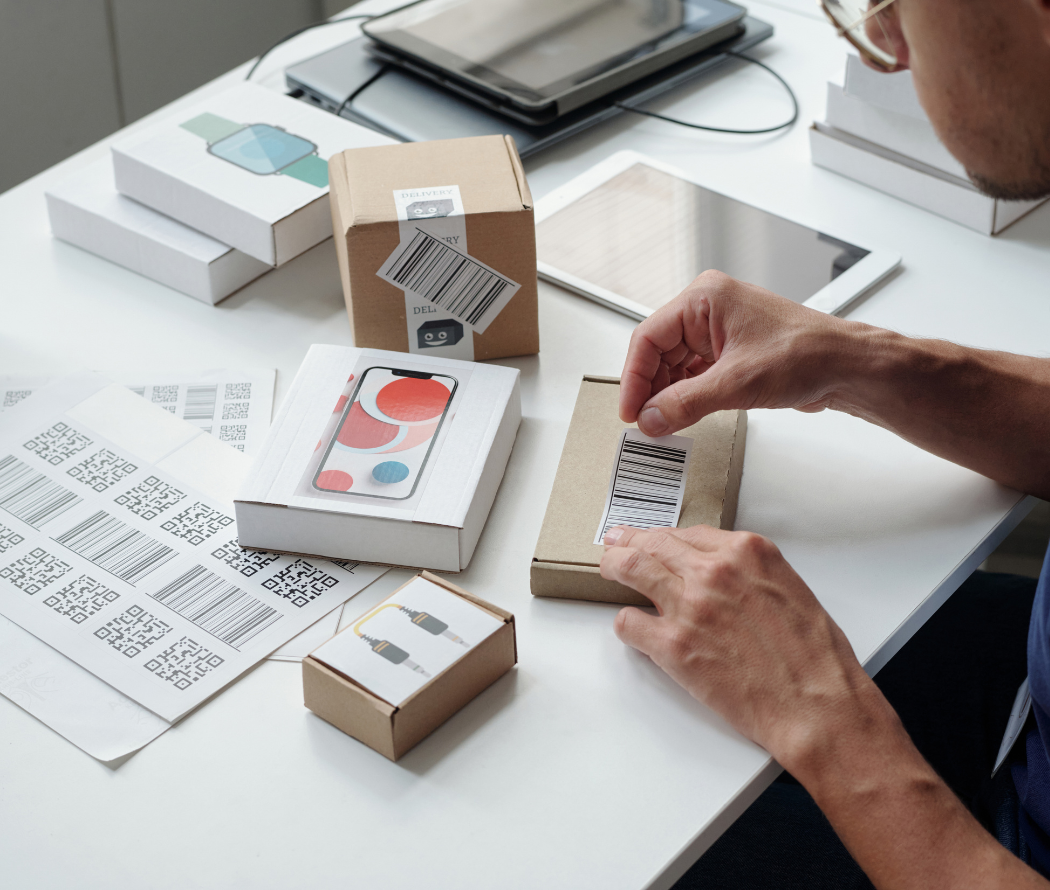
Explore label material specializations for every industry, from BOPP to polyester. Discover durable packaging solutions with Jisha Label.
Introduction:
In today’s global marketplace, packaging is more than just protection – it’s communication, compliance, and brand identity combined. Whether your business operates in the USA, Canada, or the Middle East, selecting the right label material plays a crucial role in product performance and customer perception.
From extreme warehouse conditions in North America to high temperatures in Middle Eastern regions, label durability and functionality must match environmental demands. That’s where label material specializations become important.
In this detailed guide, we’ll explore different types of label materials, their applications across industries, and how businesses can choose the right solution for long-term efficiency. At Jisha Label, we understand international packaging needs and provide tailored labeling solutions designed for global standards.
Why Label Material Selection Matters
Labels are exposed to various external conditions such as:
- Heat and humidity
- Cold storage
- Chemical exposure
- Rough transportation
- UV sunlight
- Moisture and condensation
If the material is not suitable, labels may peel, fade, tear, or lose adhesion. This can lead to scanning errors, compliance issues, and brand image damage.
Choosing the right custom label materials ensures:
- Long-lasting print clarity
- Strong adhesive performance
- Regulatory compliance
- Smooth logistics operations
- Enhanced product presentation
For international markets like the USA, Canada, and Middle East, material choice must align with climate, industry regulations, and operational demands.
Understanding Label Material Specializations
Different industries require different performance characteristics. Let’s explore the most common types of label materials and their applications.
1. BOPP Label Material (Polypropylene)
BOPP (Biaxially Oriented Polypropylene) is one of the most popular synthetic label materials worldwide.
Key Features:
- Water-resistant
- Oil-resistant
- Durable and flexible
- Excellent print surface
Best For:
- Food & beverage packaging
- Cosmetic products
- Household items
- Retail packaging
In the USA and Canada, BOPP labels are widely used for refrigerated food products because they resist moisture and condensation. In Middle Eastern markets, they perform well in warm climates due to their durability.
BOPP label material is ideal when businesses need both durability and premium appearance.
2. Polyester Label Material (PET)
Polyester labels are known for extreme durability and resistance.
Key Features:
- High heat resistance
- Chemical resistance
- Tear-resistant
- Long-lasting durability
Best For:
- Industrial equipment
- Automotive parts
- Electronics
- Heavy machinery
In industrial sectors across North America and the Middle East, polyester label material is commonly used for asset tracking and equipment labeling. It withstands harsh environments without losing readability.
If your business requires industrial label materials for demanding conditions, polyester is a reliable choice.
3. Paper Label Materials
Paper labels are traditional and cost-effective solutions.
Key Features:
- Budget-friendly
- Excellent print clarity
- Suitable for dry environments
Best For:
- Retail products
- Promotional labels
- Shipping labels (short-term use)
While paper labels are economical, they may not perform well in humid or outdoor conditions. In Canadian cold storage or Middle Eastern heat exposure, synthetic alternatives may offer better longevity.
4. Thermal Label Materials
Thermal labels are widely used in logistics and retail industries.
Direct Thermal Labels:
- No ribbon required
- Cost-efficient
- Ideal for short-term shipping
Thermal Transfer Labels:
- Use ribbon printing
- Longer-lasting print
- Better durability
In the USA and Canada, thermal labels are essential for warehouse barcode systems and e-commerce shipping. In Middle Eastern logistics hubs, durable thermal transfer labels are preferred for high-temperature storage.
Thermal label material selection depends on print longevity requirements.
5. Waterproof and Weatherproof Materials
For outdoor and high-humidity environments, waterproof label materials are essential.
These materials are used in:
- Beverage industries
- Outdoor equipment
- Marine products
- Construction sectors
In Middle Eastern countries where temperatures can be extreme, weather-resistant materials prevent adhesive failure and ink fading.
6. Specialty and Premium Label Materials
Premium packaging markets in the USA and Canada demand visually appealing finishes.
Specialty materials include:
- Transparent film labels
- Metallic finishes
- Matte and glossy laminations
- Textured materials
Luxury cosmetic and personal care brands benefit from premium label material specializations that enhance shelf appeal.
Industry-Wise Label Material Applications
Let’s understand how different industries benefit from proper material selection.
Logistics & Supply Chain
- Durable barcode labels
- Warehouse rack labels
- Shipping labels
Materials must resist friction, temperature shifts, and handling.
Cosmetic & Beauty Industry
- Waterproof labels
- Oil-resistant surfaces
- Premium finish materials
Humidity resistance is critical in both North American and Middle Eastern climates.
Food & Beverage
- Cold storage compatibility
- Moisture resistance
- Compliance-friendly materials
BOPP and waterproof synthetic materials are common choices.
Industrial & Manufacturing
- Chemical-resistant polyester
- Heat-resistant materials
- Long-term durability
These labels must withstand harsh industrial environments.
International Focus: USA, Canada & Middle East
USA Market
The USA emphasizes:
- Strict compliance standards
- Barcode readability
- Sustainability practices
- Advanced supply chain systems
Businesses require consistent, high-performance custom label materials that meet regulatory requirements.
Canada Market
Canada presents unique challenges such as:
- Cold storage environments
- Temperature fluctuations
- Moisture exposure
Durable synthetic materials are often preferred over paper labels.
Middle East Market
Middle Eastern countries face:
- High temperatures
- UV exposure
- Dust conditions
Heat-resistant and weatherproof label materials ensure long-term performance.
Understanding regional conditions is key to selecting the right label material specialization.
Sustainability in Label Materials
Global markets increasingly demand eco-conscious packaging.
Sustainable options include:
- Recyclable materials
- Eco-friendly adhesives
- Reduced waste production
Businesses in North America especially prioritize sustainable packaging solutions to meet consumer expectations.
Choosing durable materials also reduces waste caused by re-labeling and replacement.
How to Choose the Right Label Material
Before finalizing your order, consider:
- Environmental exposure
- Application surface
- Print durability requirements
- Industry compliance standards
- Budget considerations
- Branding goals
The right label material balances durability, cost-efficiency, and aesthetic appeal.
Why Businesses Choose Jisha Label
At Jisha Label, we understand that different markets demand different solutions. Our expertise in label material specializations helps businesses across industries find the perfect fit for their packaging needs.
We provide:
- BOPP label material solutions
- Polyester industrial labels
- Thermal label materials
- Waterproof and weatherproof labels
- Custom packaging label solutions
With a focus on quality control, international standards, and durable printing technology, Jisha Label supports businesses in the USA, Canada, and the Middle East with reliable labeling solutions.
Whether you operate in logistics, cosmetics, manufacturing, or retail, our tailored approach ensures your labels perform efficiently in any environment.
The Future of Label Materials
Innovation in label materials continues to evolve. Future trends include:
- Smart labels with QR integration
- RFID-enabled tracking labels
- Advanced adhesive technologies
- Eco-friendly synthetic materials
As global trade expands, businesses must invest in adaptable and durable labeling systems.
Conclusion
Selecting the right label material is not just a technical decision – it’s a strategic investment. The performance of your labels directly impacts:
- Product durability
- Compliance readiness
- Supply chain efficiency
- Brand perception
Understanding label material specializations helps businesses in the USA, Canada, and Middle East choose solutions tailored to their environmental and industry needs.
With expert guidance and high-quality production standards, Jisha Label delivers dependable labeling solutions designed for global markets.
When your labels are built with the right material, your packaging performs better – everywhere.
FAQ
What are label material specializations?
Label material specializations refer to different materials like BOPP, polyester, paper, and thermal designed for specific industry needs.
Which label material is best for harsh environments?
Polyester and BOPP are ideal for heat, moisture, and chemical resistance.
Are waterproof labels suitable for international shipping?
Yes, waterproof synthetic labels perform well in USA, Canada, and Middle East climates.
What material is commonly used for barcode labels?
Thermal and synthetic materials like BOPP are widely used for durable barcode labeling.
Where can I get specialized label materials?
You can find high-quality, industry-specific labeling solutions at Jisha Label.