Complete guide to waterproof labels covering materials, benefits & uses. Durable printing solutions from Jisha Label.
Introduction:
In today’s packaging-driven market, labels are more than just stickers. They represent your brand, carry essential information, and influence buying decisions. But what happens when your product faces moisture, refrigeration, oil, chemicals, or outdoor conditions?
Regular paper labels often fail.
That’s why waterproof labels have become a necessity across multiple industries. Whether it’s a beverage bottle in a refrigerator, a cosmetic product in a humid bathroom, or an industrial container exposed to chemicals, durable labeling ensures your product always looks professional and compliant.
At Jisha Label, we help businesses choose high-performance waterproof labeling solutions that protect both product information and brand identity.
Let’s explore everything you need to know – from materials to benefits and real-world applications.
What Are Waterproof Labels?
Waterproof labels are labels made from synthetic materials that resist water, humidity, oil, and environmental stress. Unlike traditional paper labels, they don’t tear, smudge, wrinkle, or peel easily when exposed to moisture.
These labels are specially designed to maintain:
- Adhesive strength
- Print clarity
- Structural durability
- Brand appearance
They are widely used in industries where products encounter challenging storage or usage conditions.
Materials Used in Waterproof Labels
The performance of a waterproof label depends heavily on the material used. Different industries require different types of durability.
Polypropylene (PP)
Polypropylene labels are flexible and moisture-resistant. They are commonly used in food packaging and personal care products because they offer a balance between durability and cost-effectiveness.
BOPP (Biaxially Oriented Polypropylene)
BOPP labels provide excellent resistance to water, oil, and refrigeration. They are frequently used on beverage bottles, dairy products, and frozen food packaging.
Polyester (PET)
Polyester is known for its extreme durability. It resists chemicals, heat, and abrasion, making it ideal for industrial labels, pharmaceuticals, and machinery identification.
Vinyl
Vinyl labels are flexible and highly weather-resistant. They are perfect for outdoor applications and products exposed to harsh environmental conditions.
At Jisha Label, we recommend materials based on your product type, storage environment, and industry standards to ensure long-term performance.
Key Benefits of Waterproof Labels
Moisture & Humidity Protection
Products stored in refrigerators, freezers, or humid spaces require labels that won’t peel or wrinkle. Waterproof labels stay intact even in cold storage conditions.
Oil & Chemical Resistance
Cosmetics, cleaning products, and industrial goods often come in contact with oils and chemicals. Waterproof labeling materials prevent ink smudging and label damage.
Long-Lasting Print Quality
Clear product information is essential for compliance and brand trust. Waterproof labels maintain sharp text, vibrant colors, and barcode readability.
Tear Resistance
Unlike paper labels that rip easily, synthetic labels are stronger and more durable during transportation and handling.
Premium Brand Appearance
A damaged label can reduce product appeal. Durable waterproof labels help maintain a clean, professional look throughout the product lifecycle.
Waterproof Labels vs. Paper Labels
When comparing standard paper labels with waterproof labels, the difference becomes obvious.
Paper labels work well only in dry indoor conditions. Exposure to water or humidity can cause them to wrinkle, fade, or peel off. They also tear easily and may lose print clarity over time.
Waterproof labels, on the other hand, are designed for demanding environments. They resist moisture, maintain strong adhesion, and keep print sharp even after exposure to refrigeration or outdoor conditions. Their durability ensures a longer lifespan and better brand presentation.
For businesses that want reliability and long-term performance, waterproof labeling is a smarter investment.
Industrial Applications of Waterproof Labels
Waterproof labels are used across various industries. Let’s look at some major applications.
Food Packaging Industry
Food products are often exposed to refrigeration, freezing, and moisture during transportation. Waterproof labels ensure nutritional information, expiry dates, and branding remain readable.
Common uses:
- Frozen foods
- Dairy products
- Sauces and condiments
- Ready-to-eat meals
Beverage Industry
Beverage bottles frequently experience condensation and ice exposure. Waterproof labels prevent peeling and maintain shelf appeal.
Used for:
- Mineral water
- Soft drinks
- Juices
- Energy drinks
Cosmetic & Personal Care Products
Bathrooms and beauty products create humid conditions. Waterproof labels protect branding and product information from water splashes and oils.
Applications include:
- Shampoo bottles
- Body wash
- Skincare creams
- Essential oils
Pharmaceutical Industry
Medicine packaging requires clear, long-lasting labeling for dosage instructions and regulatory compliance. Waterproof labels help maintain readability throughout storage and use.
Industrial & Chemical Products
Industrial environments demand high durability. Labels must withstand chemicals, abrasion, and extreme temperatures. Polyester and vinyl labels are commonly used in these situations.
At Jisha Label, we design industrial-grade waterproof labels that meet performance standards for tough environments.
How to Choose the Right Waterproof Label
Selecting the correct label involves several factors:
- Type of surface (glass, plastic, metal)
- Storage temperature
- Exposure to moisture or chemicals
- Required adhesive strength
- Printing and design needs
Choosing the wrong material can lead to peeling, fading, or compliance issues. That’s why working with experienced manufacturers like Jisha Label ensures you get the right labeling solution tailored to your product.
Custom Waterproof Labels for Stronger Branding
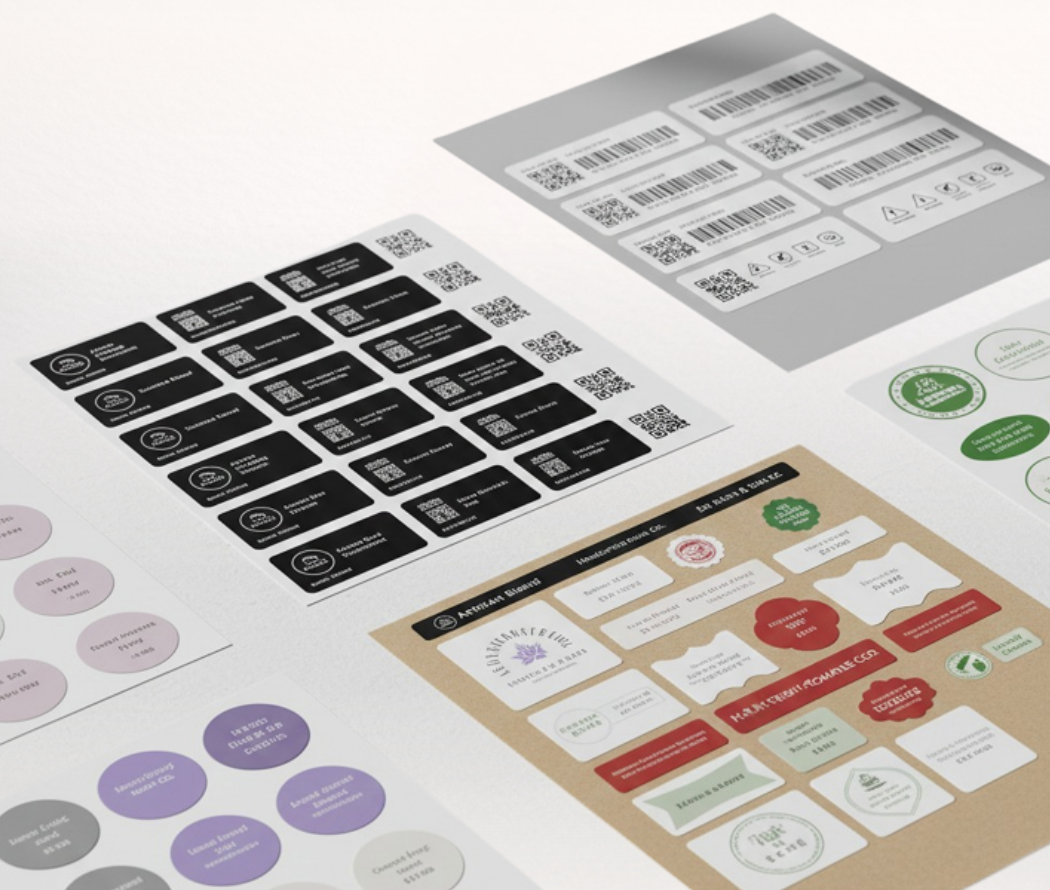
Modern brands prefer custom waterproof labels to stand out on shelves. Customization options include:
- Matte or glossy finishes
- Transparent labels
- Custom shapes and sizes
- Metallic effects
- UV-resistant coatings
A well-designed waterproof label enhances product visibility while maintaining durability.
Sustainability Considerations
Many modern waterproof label materials are recyclable and manufactured with eco-friendly adhesives. Sustainable packaging is becoming a priority for brands looking to reduce environmental impact while maintaining performance.
Conclusion
Waterproof labels are no longer just an upgrade – they are essential for products exposed to moisture, oil, refrigeration, and industrial environments. They protect vital product information, enhance brand image, and ensure long-term durability.
Whether you operate in the food, beverage, cosmetic, pharmaceutical, or industrial sector, investing in high-quality waterproof labeling can significantly improve product presentation and reliability.
If you’re looking for durable, customized, and industry-specific waterproof labeling solutions, Jisha Label provides professional options designed to meet modern packaging demands.
FAQ
What are waterproof labels made of?
Waterproof labels are typically made from polypropylene (PP), polyester (PET), vinyl, or BOPP materials that resist moisture and damage.
Where are waterproof labels commonly used?
They are widely used in food packaging, beverage bottles, cosmetics, pharmaceuticals, and industrial products.
Are waterproof labels resistant to oil and chemicals?
Yes, most waterproof labels are designed to resist moisture, oil, and certain chemicals, depending on the material used.
Do waterproof labels work in refrigeration and freezing conditions?
Yes, materials like BOPP and polypropylene perform well in cold storage and refrigerated environments.
Why are waterproof labels better than paper labels?
Waterproof labels are more durable, tear-resistant, and long-lasting compared to standard paper labels in wet conditions.